7 Things to Look for When Choosing a Med Spa (And Why They Matter)
August 11, 2026
The Ultimate Guide to Dysport Injections
August 14, 2026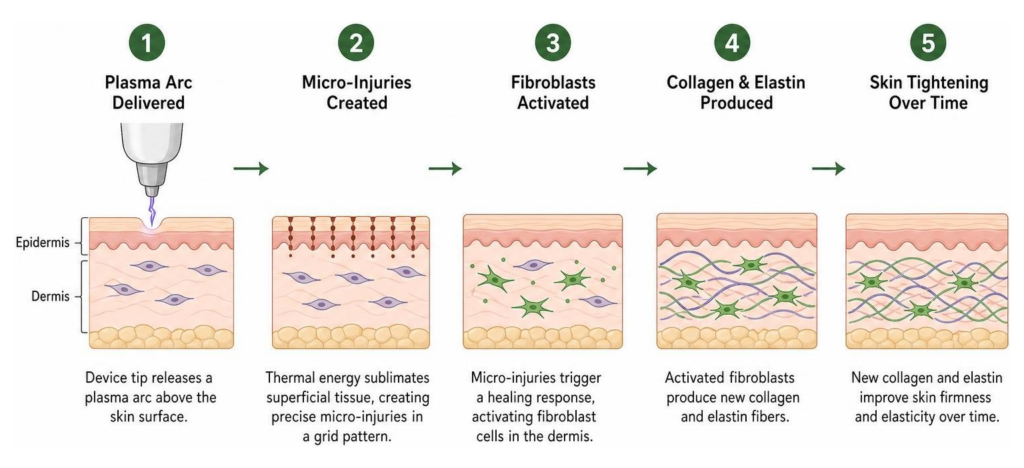
How to Tighten Sagging Neck Skin Without Surgery
What Is a Fibroblast Neck Lift and How Does It Work?
At its core, a fibroblast neck lift is an advanced skin-tightening procedure that uses plasma energy to revive aging tissue. Instead of cutting away excess skin, the treatment works with your body’s natural regenerative mechanisms.
During a treatment session, a specialized handheld device delivers targeted plasma energy to the surface of your skin. The tip of the device never actually touches your skin directly; instead, it releases a tiny arc of electrical energy that reacts with gases naturally present in the atmosphere. This reaction generates a minute, highly controlled point of plasma energy.
When this thermal flash hits the superficial layer of the skin (the epidermis), it instantly sublimates the tissue—meaning it turns solid skin tissue directly into vapor on a microscopic scale. This process creates precise, tiny micro-injuries in a grid-like pattern across the neck.
These micro-injuries stimulate fibroblast cells located deep within the dermis. Fibroblast cells are responsible for producing structural proteins, primarily collagen and elastin. As we age, our fibroblast activity naturally slows down, leading to skin laxity, fine lines, and structural sagging. By triggering a localized healing response, plasma therapy prompts these cells to produce fresh collagen and elastin fibers over time.
As the micro-injuries heal, the surrounding skin contracts, resulting in noticeable immediate retraction followed by long-term tissue firming. To understand how this same energy can revitalize delicate facial zones, read our guide on how fibroblast plasma eye lifts work and what to expect.
Candidate Selection and Fitzpatrick Skin Types
While plasma therapy is an effective non-surgical option, it is not suitable for everyone. Candidate selection depends on both skin laxity and skin tone.
- Ideal Candidates: The best results occur in individuals with mild-to-moderate skin laxity—such as light crepiness, superficial neck lines, or early-stage sagging. If you want noticeable tightening without the expense or downtime of surgery, plasma therapy is a strong choice.
- Fitzpatrick Skin Scale Considerations: The Fitzpatrick scale categorizes skin types from I (very fair) to VI (deeply pigmented). Because plasma energy relies on thermal arc stimulation, darker skin types (typically Fitzpatrick IV through VI) carry a significantly higher risk of post-inflammatory hyperpigmentation (dark spots) or hypopigmentation (light spots). As a safety measure, candidates with darker skin tones must undergo careful clinical evaluation, and alternative non-surgical skin tightening options may be recommended instead.
- Contraindications: You should avoid this procedure if you are pregnant or breastfeeding, have active skin infections or open wounds in the neck area, wear a pacemaker, or have a history of hypertrophic scarring or keloids.
Step-by-Step Fibroblast Neck Lift Procedure and Recovery
Understanding what happens during a session helps set realistic expectations for your treatment day:
- Preparation and Numbing: Your skin is thoroughly cleansed, and a strong topical numbing cream is applied to the neck. This sits for 30 to 45 minutes to maximize comfort.
- The Procedure: Once the area is numb, your practitioner systematically moves the plasma pen across the targeted neck skin. You will feel warmth and occasional tiny zaps, but discomfort is generally mild. A standard neck session takes approximately 60 to 90 minutes.
- Micro-Crust Formation: Immediately following the procedure, you will see a pattern of tiny dark dots (often called carbon dots or micro-crusts) across the treated area. These dots represent where the skin sublimated.
- Initial Healing: Over the next 7 to 10 days, these micro-crusts naturally dry up and flake off. It is critical never to pick, scratch, or scrub these dots, as force-removing them can cause scarring or hyperpigmentation.
- Long-Term Collagen Development: Once the dots shed, fresh pink skin is revealed. Over the next 8 to 12 weeks, as your body builds new collagen, the structural tightening and smoothing benefits become increasingly visible.
How to Tighten Neck Skin: Non-Surgical Treatment Steps
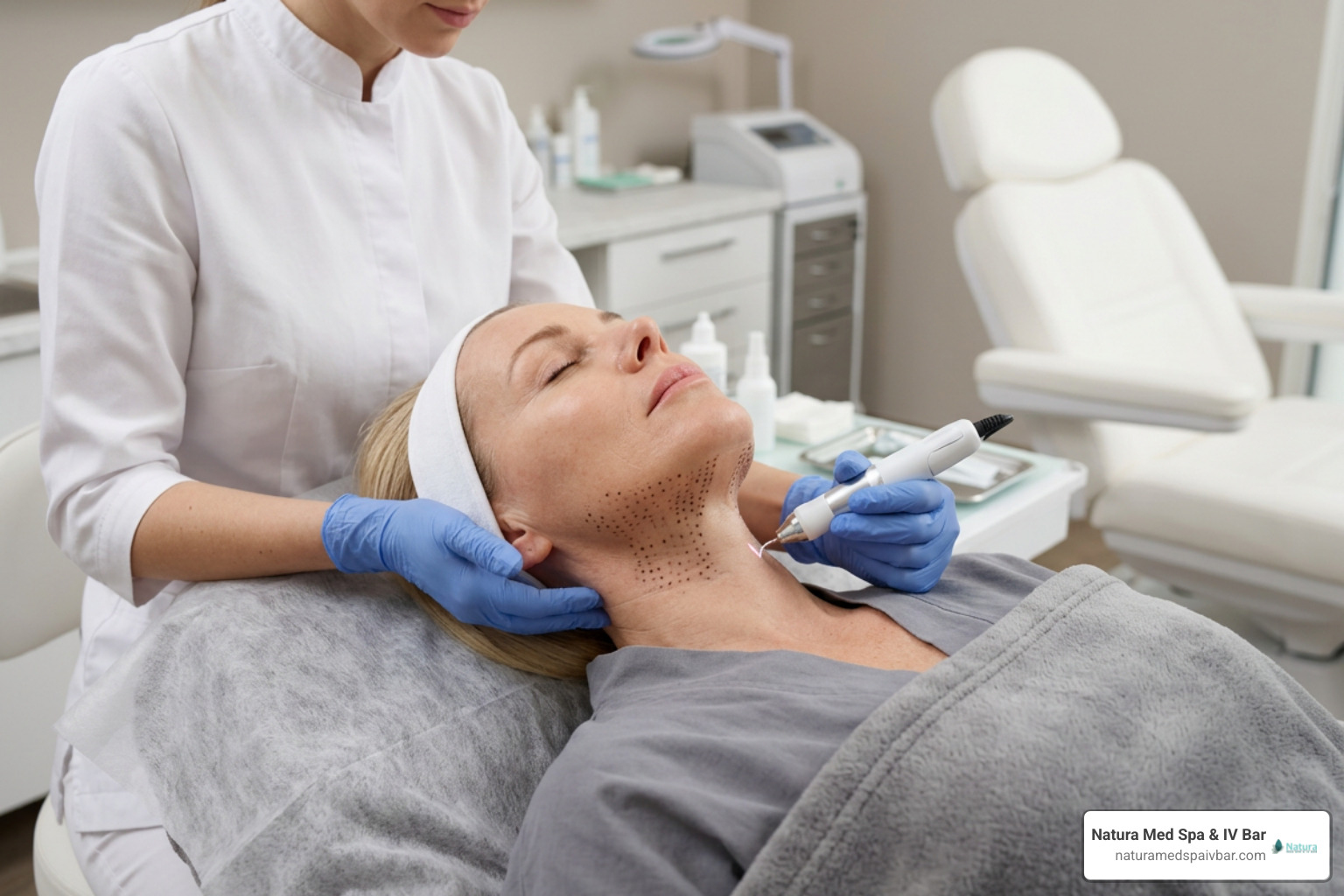
Achieving smooth, firm skin without surgery requires a structured plan from initial consultation to long-term post-care.
Pre-Treatment Preparation Guidelines
To minimize bruising and support quick healing, follow these guidelines before your appointment:
- Avoid Blood Thinners: Discontinue over-the-counter blood thinners, including aspirin, ibuprofen, fish oil, and vitamin E supplements, for at least 3 to 7 days before treatment (always consult your physician first if taking prescribed medications).
- Pause Active Skincare: Stop using retinoids (Retin-A, retinol), glycolic acid, salicylic acid, and other strong exfoliating agents on your neck for at least one week prior to your session.
- Protect Against Sun Exposure: Avoid direct sun exposure and tanning beds for at least two weeks before your procedure. Tanned or sunburned skin significantly increases the risk of hyperpigmentation.
- Arrive Bare-Skinned: Ensure your neck is clean and free of cosmetics, perfume, lotions, or self-tanning products on the day of your appointment.
Aftercare Routine for Optimal Results
Post-care directly influences your final results and helps prevent complications:
- Scab Care: Keep the treated area dry and clean for the first 24 to 48 hours. Apply only approved soothing ointments provided by your practitioner. Allow micro-crusts to fall off naturally—do not rub or pick them.
- Exercise Restrictions: Avoid intense physical activities, heavy sweating, hot tubs, saunas, and steam rooms for at least one week post-procedure. Sweating can irritate micro-injuries and increase the risk of bacterial infection.
- Strict Sun Protection: Once the micro-crusts shed, apply a broad-spectrum mineral sunscreen (SPF 30 or higher) daily. Protect your neck from direct sunlight for at least 8 to 12 weeks to prevent hyperpigmentation.
- Hydration: Drink plenty of water and apply recommended gentle, hydrating moisturizers after the initial scabs have flaked off to support skin barrier repair.
Comparing Non-Surgical Neck Tightening to Other Aesthetic Options
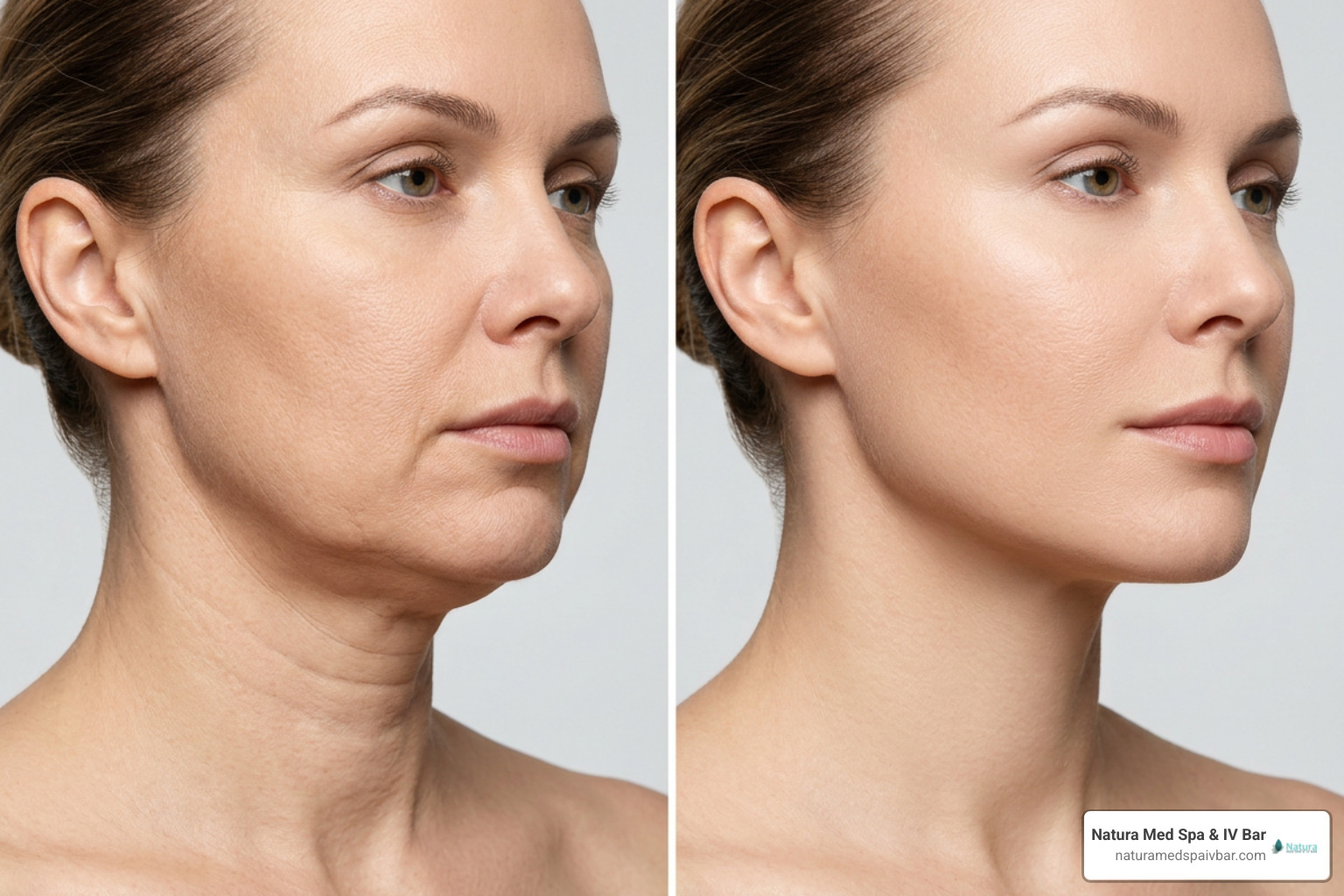
Choosing the right neck rejuvenation treatment depends on your aesthetic goals, budget, tolerance for downtime, and degree of skin laxity.
| Feature | Fibroblast Neck Lift | Surgical Neck Lift (Cervicoplasty / Platysmaplasty) |
|---|---|---|
| Invasiveness | Non-invasive (no incisions or sutures) | Surgical (incisions behind ears/under chin) |
| Anesthesia | Topical numbing cream | General anesthesia or deep sedation |
| Treatment Time | 60–90 minutes | 2–4 hours |
| Downtime | 7–10 days (minor scabbing) | 14+ days (bruising, swelling, drains) |
| Result Longevity | 2–3 years | 10+ years |
| Average Cost | Modest investment | $5,000–$10,000+ |
| Best For | Mild-to-moderate laxity, crepey skin | Severe skin sagging, heavy muscle banding |
Fibroblast Neck Lift vs. Surgical Neck Lift
Surgical neck lifts—incorporating cervicoplasty (skin removal) and platysmaplasty (neck muscle tightening)—remain the gold standard for dramatic, long-lasting structural changes. As noted in clinical references on platysmaplasty facelifts, surgery physically alters muscle bands and removes excess tissue, delivering results that last 10 years or longer.
However, surgery carries higher costs ($5,000 to $10,000+ on average), requires general anesthesia, and involves up to two weeks or more of significant recovery involving swelling, bruising, and potential nerve discomfort.
In contrast, plasma therapy provides an ideal alternative for patients with mild-to-moderate laxity who prefer to avoid surgery. For a broader breakdown of benefits and limitations, explore our review of fibroblast neck lift vs. surgical neck lift pros and cons, and check out the real cost of fibroblast plasma treatments for detailed pricing context.
Plasma Tightening vs. Other Non-Surgical Approaches
Plasma therapy stands apart from standard non-surgical anti-aging methods by targeting both surface texture and deep skin contraction:
- Topical Hydration & Skincare: Standard serums and moisturizers hydrate the epidermal layer, but they cannot penetrate deeply enough to stimulate structural collagen remodeling or eliminate sagging tissue.
- Biostimulatory Cellular Activation: Plasma energy directly triggers natural fibroblast activity for cellular biostimulation. A clinical study published on autologous keratin and fibroblast research demonstrated that targeted fibroblast-stimulating therapies yield long-lasting improvements in wrinkle reduction and tissue density.
- Targeted Surface Retraction: Unlike broader heat-based options, plasma energy creates controlled micro-sublimation on the immediate skin layer, encouraging localized skin tightening alongside smooth texture refinement.
To review how different treatment modalities compare, read our comprehensive guide to compare skin tightening options.
Frequently Asked Questions About Non-Surgical Neck Tightening
How long do fibroblast neck lift results typically last?
Results typically last 2 to 3 years. While plasma therapy creates permanent micro-contraction in the treated tissue and stimulates long-term collagen production, it cannot stop the natural aging process. Over time, factors like gravity, genetics, and sun exposure will continue to affect skin elasticity. Periodic touch-up treatments every few years help preserve your smooth, firm profile.
Is a non-surgical neck lift procedure painful?
Most clients report only minimal-to-moderate discomfort. Before the procedure begins, a strong prescription-strength topical numbing cream is applied to your neck for 30 to 45 minutes. During the treatment, you may feel brief warm pinprick sensations. Afterward, the neck may feel like a mild sunburn for 24 to 48 hours, which can be managed easily with recommended post-care gels.
How much downtime is required after plasma skin tightening?
Expect approximately 7 to 10 days of mild downtime. This downtime consists primarily of visual micro-crusts (tiny brown dots) on the neck. Most people feel comfortable returning to remote work or light social activities right away, though you may prefer to take a few days off if you are self-conscious about the visible dots. Vigorous exercise, heavy sweating, and direct sun exposure must be avoided for at least one week post-treatment.
Conclusion

A fibroblast neck lift provides an effective, non-surgical pathway to firmer, smoother, and more youthful-looking neck skin. By harnessing plasma energy to activate your body’s natural collagen production, this treatment bridges the gap between basic topical skincare and invasive surgery.
If you are looking to address crepey skin, superficial lines, or mild neck sagging without the high cost and downtime of surgery, plasma therapy could be the perfect match for your aesthetic goals.
Ready to revitalize your neck and restore a defined contour? Explore our full range of non-surgical skin tightening services or reach out to our expert team at Natura Med Spa & IV Bar to schedule your personalized consultation today! You can also check our full list of med spa services, browse our FAQs, or directly contact our team in Aurora, Denver, and Cherry Creek, CO.