Compare Skin Tightening Options: A Comprehensive Guide
July 23, 2026
Juvederm Volbella Lips: Everything You Need to Know Before You Inject
July 30, 2026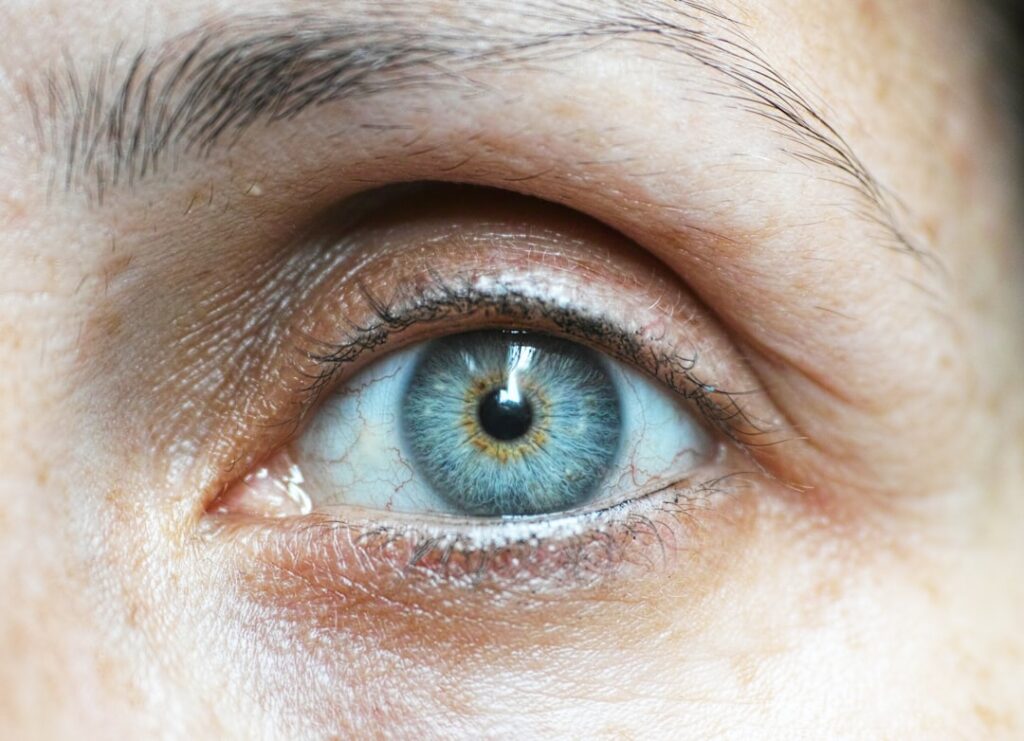
How Fibroblast Plasma Eye Lifts Work and What to Expect
What Is a Fibroblast Eye Lift — and Is It Right for You?
A fibroblast eye lift is a non-surgical treatment that tightens loose skin around the eyes using a plasma pen device — no scalpels, no stitches, no general anesthesia.
Here’s a quick snapshot of what you need to know:
- What it does: Tightens and lifts sagging or hooded eyelid skin using controlled plasma energy
- How long it takes: A single session, typically under an hour
- Downtime: About 7 days of social downtime while small healing dots (carbon crusts) fade
- Best for: Mild to moderate skin laxity, crepiness, and early hooding
- Not ideal for: Severe hanging skin or structural fat protrusion — those cases usually need surgery
- Cost: Generally less than surgical blepharoplasty, with no operating room or anesthesia fees
If you’re noticing tired-looking eyes, slight drooping, or crepey skin but aren’t ready for surgery, a fibroblast eye lift may be exactly the middle ground you’re looking for.
Practitioners are increasingly positioning it as “soft surgery” — a meaningful step up from creams and serums, without the commitment of a surgical procedure.
I’m Abla Jad — having built and scaled a multi-location healthcare business, I’ve seen how the right non-invasive treatments, including the fibroblast eye lift, can deliver real, confidence-boosting results for busy people who don’t have time for lengthy surgical recovery. In this guide, I’ll walk you through exactly how the procedure works, what recovery looks like day by day, and how it stacks up against surgical blepharoplasty.
Fibroblast eye lift terms to remember:
What is a Fibroblast Eye Lift and How Does It Work?
If you have ever stared in the mirror trying to physically push up your upper eyelids with your fingertips to see what you would look like with a fresh, awake gaze, you are not alone. As we age, the delicate skin around our eyes loses its structural integrity.
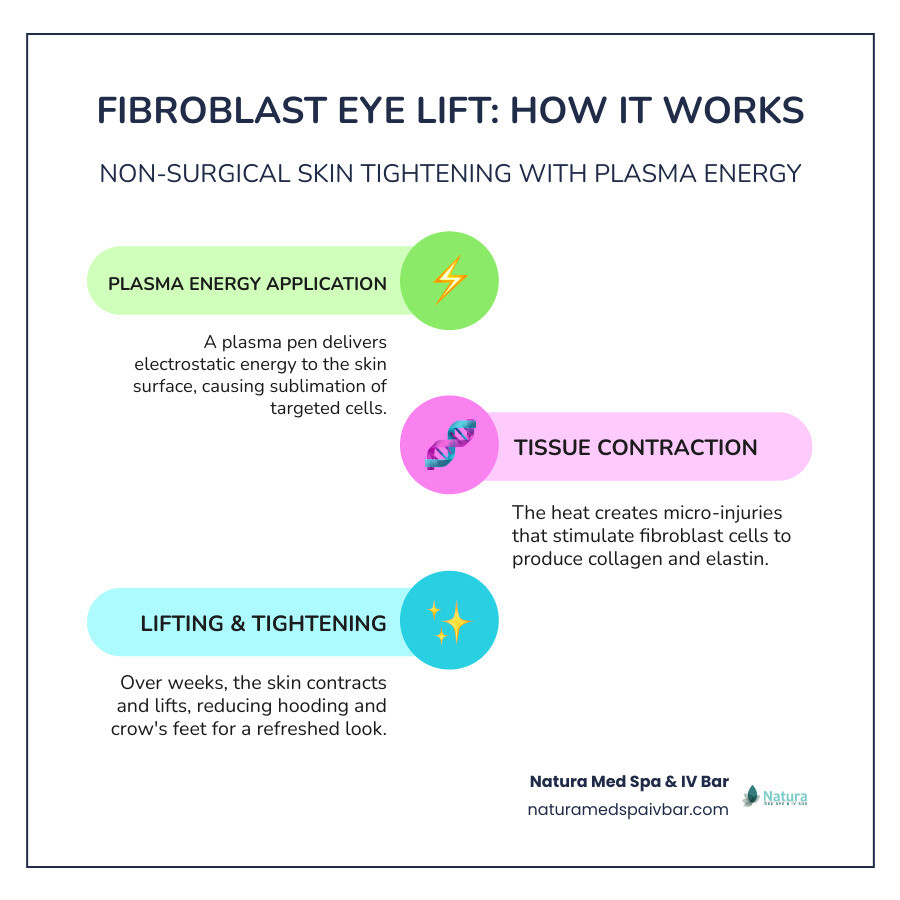
To address this, we use a specialized device known as a plasma pen. Rather than physically cutting away excess tissue, this treatment relies on advanced physics to achieve tissue contraction. The pen works by discharging high-frequency electrostatic energy just above the skin’s surface. This energy ionizes the gases in the surrounding air to create a small arch of plasma (often described as a tiny flash of lightning).
When this plasma arch touches the skin, it instantly causes sublimation—which is the scientific term for turning a solid directly into a gas. This process vaporizes a microscopic point of the outermost layer of the skin, causing immediate tissue contraction and visible tightening.
Over the weeks following your treatment, this targeted energy stimulates the deeper layers of the skin to ramp up collagen production. It is a highly effective way to naturally open up the eyes. To understand how this fits into our broader suite of offerings, you can Learn more about the eyelid plasma lift and see how we help our clients across Denver, Cherry Creek, and Aurora achieve a refreshed appearance.
The Science Behind the Fibroblast Eye Lift
To truly appreciate how a fibroblast eye lift works, we have to look beneath the surface at the dermis. The plasma pen creates highly precise, superficial micro-injuries on the skin. These micro-injuries manifest as tiny, dark brown spots called carbon crusts.
While these tiny dots might look a little startling at first, they serve an important biological purpose. The thermal energy delivered by the plasma pen penetrates down to the dermis, sending an alarm signal to your fibroblast cells. Fibroblasts are the cellular workhorses responsible for producing collagen, elastin, and hyaluronic acid—the structural building blocks of youthful, bouncy skin.
In response to this controlled thermal stimulation, your body initiates a natural healing cascade. Old, stretched-out collagen fibers contract immediately, while new collagen synthesis continues to build up over the next several months. If you want to dive deeper into the science of plasma energy, you can Read our ultimate guide to cold plasma skin tightening or Explore non-surgical skin tightening options to see how these advanced energy-based modalities compare.
What to Expect During the Procedure
Walking into an aesthetic treatment can feel a bit intimidating if you do not know what to expect. Here is how a typical session unfolds at our Colorado clinics:
- Numbing and Preparation: First, we clean the treatment area thoroughly and apply a medical-grade topical numbing cream. We let this sit for about 30 to 45 minutes to ensure maximum comfort. Pain management is our top priority, and most clients report feeling only a warm, prickly sensation during the session.
- The Treatment: Once you are fully numb, our skilled provider will begin mapping out the treatment dots. Using the plasma pen, they will apply the plasma energy in a strategic grid pattern across the target area (such as the upper eyelid, lower eye bags, or crow’s feet).
- Session Duration: The active pen-to-skin portion of the treatment typically takes only 20 to 30 minutes, making the entire session duration about an hour from start to finish.
Fibroblast vs. Blepharoplasty: How They Compare
When people search for ways to fix heavy, tired eyelids, they usually find themselves weighing two main options: a non-surgical fibroblast eye lift or a surgical blepharoplasty.
Surgical blepharoplasty is the clinical gold standard for structural eye rejuvenation. It is an invasive procedure where a plastic surgeon makes incisions along the natural creases of your eyelids to physically cut away excess skin, muscle, and protruding fat pads.
A fibroblast plasma lift, on the other hand, is a non-invasive alternative often referred to as “soft surgery.” It achieves a tighter, more lifted look without incisions, general anesthesia, or surgical scars. To help you evaluate your choices, you can Compare skin tightening options on our comprehensive guide.
| Feature | Fibroblast Eye Lift | Surgical Blepharoplasty |
|---|---|---|
| Invasiveness | Non-invasive (No incisions) | Invasive surgery (Incisions & stitches) |
| Anesthesia | Topical numbing cream | Local or general anesthesia |
| Downtime | ~7 days of social downtime | 10 to 14 days of clinical recovery |
| Results | Natural tightening, texture improvement | Dramatic structural changes |
| Durability | 2 to 3 years (gradual natural aging) | 10 to 15+ years |
| Risks | Temporary hyperpigmentation, swelling | Scarring, asymmetry, dry eyes, infection |
| Upfront Cost | Moderate & accessible | High (includes surgeon, facility, & anesthesia fees) |
Comparing Results and Candidacy for a Fibroblast Eye Lift
The ideal candidate for a fibroblast eye lift is someone experiencing mild to moderate skin laxity, crepey lower eyelid skin, or early-stage upper eyelid hooding. It is perfect for individuals who want to look more rested and refreshed without changing their natural facial expressions.
However, non-surgical does not mean magic. If you have severe hooding where the eyelid skin hangs down over your eyelashes, or if your primary issue is caused by bulging fat pads (which create heavy, puffy under-eye bags), surgical blepharoplasty is generally the better option. Fibroblast cannot remove fat or address severe structural sagging.
Additionally, skin type is a critical safety factor. Because fibroblast relies on heat energy, it carries a risk of post-inflammatory hyperpigmentation (PIH) in darker skin tones. It is generally safest and most effective for lighter Fitzpatrick skin types (typically Types I through III). If you want to see a detailed, side-by-side breakdown of real-world outcomes, you can Compare fibroblast vs blepharoplasty outcomes to see which path aligns with your cosmetic goals.
Downtime, Recovery, and Scarring
The recovery experiences for these two treatments are vastly different. With surgical blepharoplasty, you are looking at physical surgical recovery: stitches, bruising, potential scar tissue management, and about 10 to 14 days before you feel comfortable presenting yourself in public.
With a fibroblast eye lift, your recovery is primarily “social downtime.” You will not have open surgical wounds or stitches, but you will have highly visible carbon crusts around your eyes for about a week. Swelling is also very common, particularly during the first 24 to 72 hours, as the delicate eye area reacts to the thermal energy.
While scarring risk is incredibly low with fibroblast when performed by a skilled provider, strict infection prevention and proper aftercare are essential to ensure the tiny dots heal cleanly without leaving any permanent marks.
Cost Comparison: Upfront Price vs. Long-Term Value
When evaluating the financial side of things, surgical blepharoplasty requires a significant upfront investment. Beyond the surgeon’s fee, you must pay for operating room fees, anesthesiologist fees, and prescription medications.
A fibroblast treatment is a fraction of that cost. Because it is performed in-office without the need for a surgical suite or general anesthesia, it represents an incredibly budget-friendly option for those wanting meaningful rejuvenation. To get a realistic picture of the financial commitment, you can Discover the real cost of fibroblast and jett plasma treatments to budget effectively for your beauty journey.
The Day-by-Day Recovery Process After Fibroblast
Understanding what your skin will look like day by day is the best way to set yourself up for a stress-free recovery. Here is a timeline of what to expect after your fibroblast eye lift:
- Days 1 to 3 (The Swelling Phase): Swelling is most intense during this initial window, peaking on mornings two and three. Your eyes may feel tight, warm, and tender. The carbon crusts will look dark and prominent. We recommend sleeping with your head elevated on a few pillows to help drain fluid.
- Days 4 to 7 (The Flaking Phase): As the swelling subsides, the treated skin will begin to feel dry and itchy. The tiny carbon crusts will start flaking off naturally. It is absolutely vital that you do not pick, scratch, or scrub these dots off prematurely, as doing so can cause permanent scarring or hyperpigmentation.
- Day 8 and Beyond (The Fresh Skin Phase): Once the crusts have fully shed, you will reveal fresh, slightly pink skin underneath. This redness will gradually fade over the coming weeks.
- Long-Term Aftercare: Protecting this new skin is your number one priority. You must follow strict aftercare guidelines, including applying a mineral sunscreen daily and wearing sunglasses whenever you are outdoors to prevent UV-induced hyperpigmentation.
Frequently Asked Questions About Plasma Eye Lifts
If you still have questions about whether this treatment is right for your lifestyle, you can Access our comprehensive treatment FAQs for quick answers to common cosmetic concerns.
How long do the results of a fibroblast eye lift last?
While surgical options offer longer-lasting structural changes, a fibroblast treatment provides excellent durability, with results typically lasting between 2 to 3 years. Because we cannot stop the natural aging process, your skin will continue to age gradually over time. Your individual genetics, lifestyle factors (such as sun exposure and smoking), and skincare routine will influence how long your results remain optimal. Many clients choose to undergo minor maintenance treatments every couple of years to keep their eye area looking firm and lifted.
Are there any risks or side effects?
When performed by an inexperienced provider, plasma pens can cause permanent scarring, burns, or long-term hyperpigmentation. However, when you choose a highly qualified, certified practitioner, the risks are minimal. The most common temporary side effects include swelling, redness, and mild discomfort during the first few days of healing. Choosing a provider who understands proper device settings and skin assessment is the single most important step in ensuring a safe treatment.
Can fibroblast be combined with other treatments?
Yes! Many of our clients achieve their ultimate aesthetic goals by combining their plasma lift with other non-surgical treatments. For instance, you can use wrinkle-relaxing injections to smooth dynamic movement around the forehead and crow’s feet, while using dermal fillers to restore lost volume in the temples or tear troughs.
To ensure safety and optimal healing, proper treatment sequencing is key. We typically recommend waiting several weeks between different procedures. You can Explore cosmetic injectables to see how we combine these treatments to design a customized rejuvenation plan for you.
Conclusion
At Natura Med Spa & IV Bar, we believe that looking and feeling your best shouldn’t require weeks of painful surgical recovery or astronomical hospital bills. Whether you visit us at our Cherry Creek, Denver, or Aurora locations, our goal is to provide convenient, results-driven beauty and wellness treatments tailored to your busy schedule. We also proudly offer military discounts as our way of giving back to those who serve.
If you are ready to say goodbye to tired-looking eyes and explore what a non-surgical plasma lift can do for you, we invite you to take the next step:
- Browse our full range of med spa services to see how we can refresh your entire aesthetic routine.
- Contact us to schedule a consultation with our expert medical team.
- Schedule your non-surgical skin tightening consultation today and let us help you achieve a naturally lifted, youthful gaze with confidence.