No More Lipstick Bleeding: Juvederm for Vertical Lip Lines
July 13, 2026
Double the Glow: Why You Need a Botox and Filler Combo Package
July 17, 2026
The Real Cost of Fibroblast Plasma and Jett Plasma Lift Treatments
What Does Fibroblast Plasma Actually Cost? (Quick Answer)
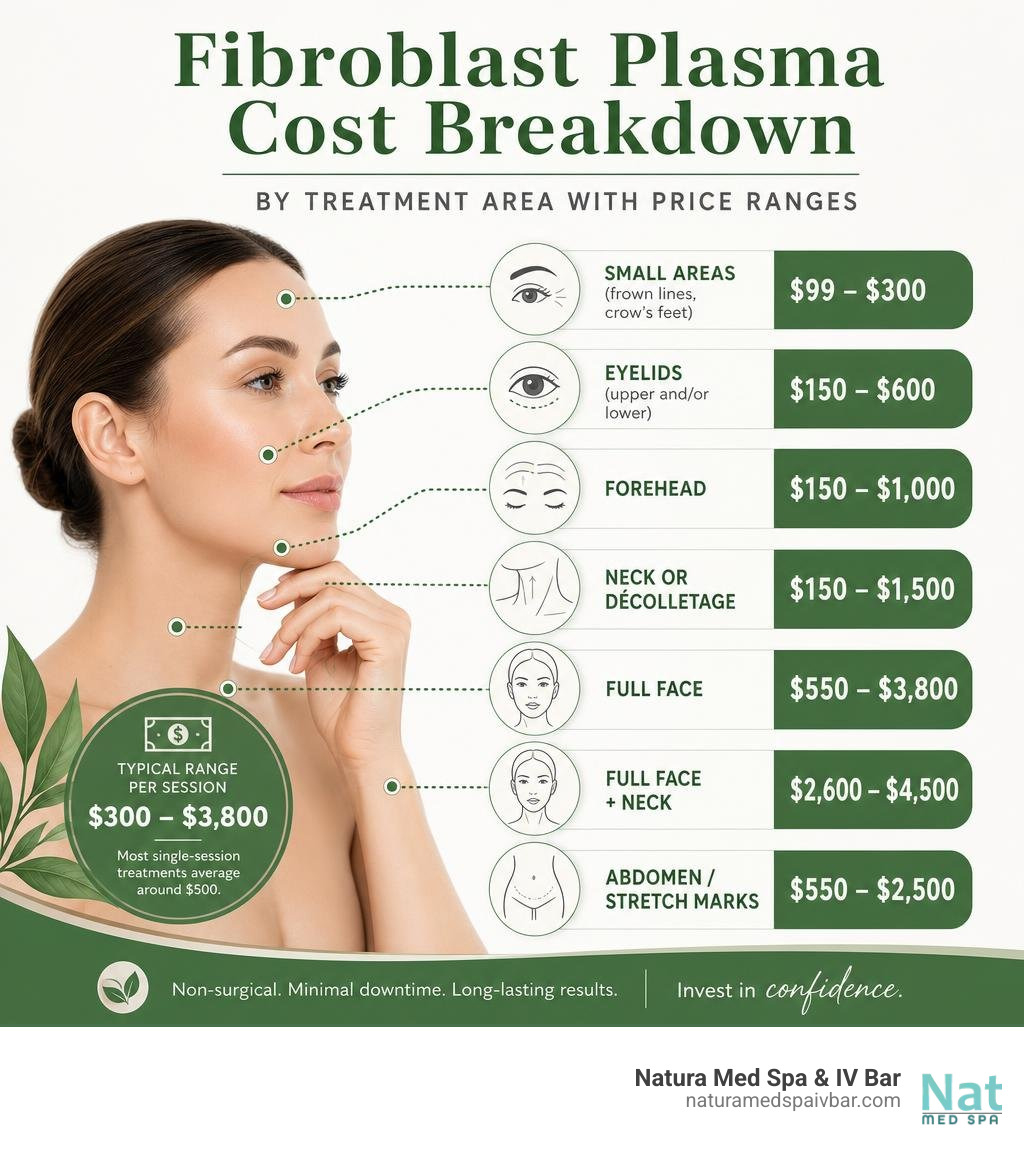
Fibroblast plasma cost typically ranges from $300 to $3,800 per session, depending on the treatment area, the provider’s experience, and the device used. Here’s a quick breakdown to help you compare:
| Treatment Area | Typical Price Range |
|---|---|
| Small areas (frown lines, crow’s feet) | $99 – $300 |
| Eyelids (upper and/or lower) | $150 – $600 |
| Forehead | $150 – $1,000 |
| Neck or décolletage | $150 – $1,500 |
| Full face | $550 – $3,800 |
| Full face + neck | $2,600 – $4,500 |
| Abdomen / stretch marks | $550 – $2,500 |
Most single-session treatments average around $500. Full-face packages can run $2,500 or more.
You’re not just paying for a treatment — you’re trying to figure out whether it’s actually worth it compared to Botox, laser, or surgery. That’s a fair question, and the answer isn’t as simple as a single number.
Prices vary widely across providers, cities, and device types. A discounted clinic might charge under $200 for a neck treatment, while a premium medspa could charge $1,500 for the same area. The gap isn’t random — it reflects real differences in training, equipment, and outcomes.
This guide breaks down exactly what drives those differences, what’s typically included in a session, and how fibroblast plasma stacks up against other non-surgical options on both cost and results.
I’m Abla Jad — a finance and healthcare business advisor who has built and scaled a multi-location healthcare practice, which gave me direct, hands-on insight into how aesthetic treatments like fibroblast plasma cost structures work from both the business and patient side. That operator experience is what I bring to help you cut through the marketing noise and understand what you’re actually paying for.
Fibroblast plasma cost further reading:
What is Fibroblast Plasma and How Does It Work?
To understand why the fibroblast plasma cost is structured the way it is, we have to look at the science behind the spark. Often marketed as a “non-surgical facelift,” plasma fibroblast therapy is a minimally invasive skin-tightening procedure. But despite the catchy marketing name, it is not surgery. Instead, it relies on the fourth state of matter: plasma gas.
The treatment is performed using a specialized, pen-like device (often called a plasma pen). This device works by ionizing nitrogen and oxygen gases in the air directly above your skin. This ionization creates a tiny electrical arc—a micro-plasma flash—that jumps from the tip of the pen to the skin’s surface without ever making direct contact.
When this plasma arc hits the skin, it causes a process called sublimation. Sublimation is the physical transition of a solid directly into a gas. In clinical terms, it instantly vaporizes a microscopic point of the epidermis (the outer skin layer). This creates a tiny, controlled micro-injury, which immediately contracts and tightens the surrounding tissue.
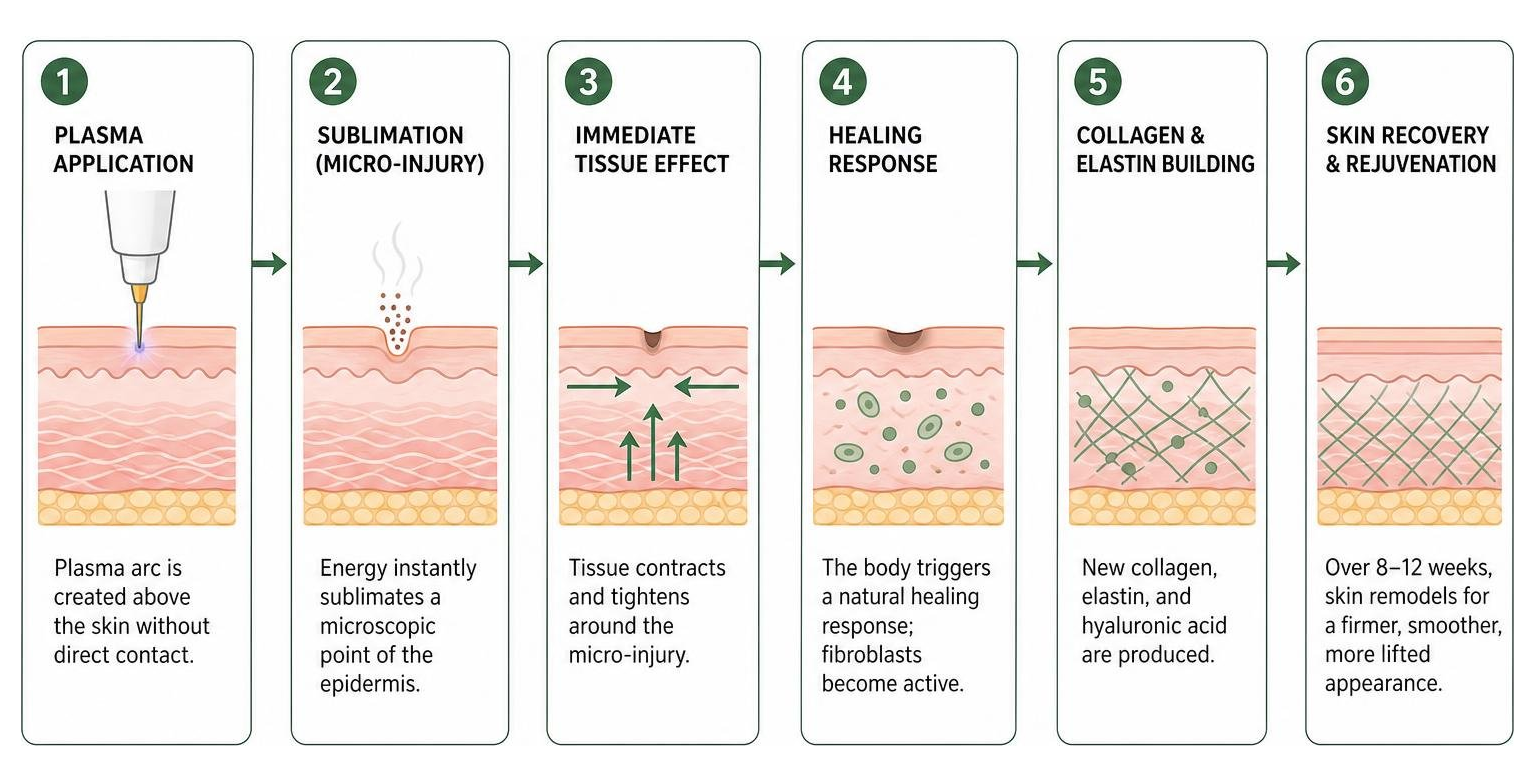
These tiny injuries trigger your body’s natural wound-healing cascade. Deep within the dermis, cells called fibroblasts—which are responsible for secreting collagen proteins and maintaining the structural framework of our tissue—are shocked into overdrive. Over the next 8 to 12 weeks, these fibroblasts produce a massive surge of new collagen, elastin, and hyaluronic acid.
According to clinical reviews, such as this overview of What is plasma fibroblast therapy? Benefits and risks, this biological response is what leads to long-term tissue remodeling, smoother texture, and a noticeable lift.
It is also worth noting that the technology has evolved. While traditional “hot” plasma pens leave tiny carbon crusts (small brown dots) on the skin that take up to a week to heal, newer developments like Jet Plasma or cold plasma use lower-temperature atmospheric gas. To learn more about how these gentler variations compare, check out our comprehensive resource, The Ultimate Guide to Cold Plasma Skin Tightening.
Understanding Your Total Fibroblast Plasma Cost
When budgeting for this treatment in Colorado, whether you are visiting us in Denver, Cherry Creek, or Aurora, it is important to look beyond the base quote. The overall fibroblast plasma cost is rarely a single flat fee because providers customize the treatment map to your specific facial anatomy and skin laxity.
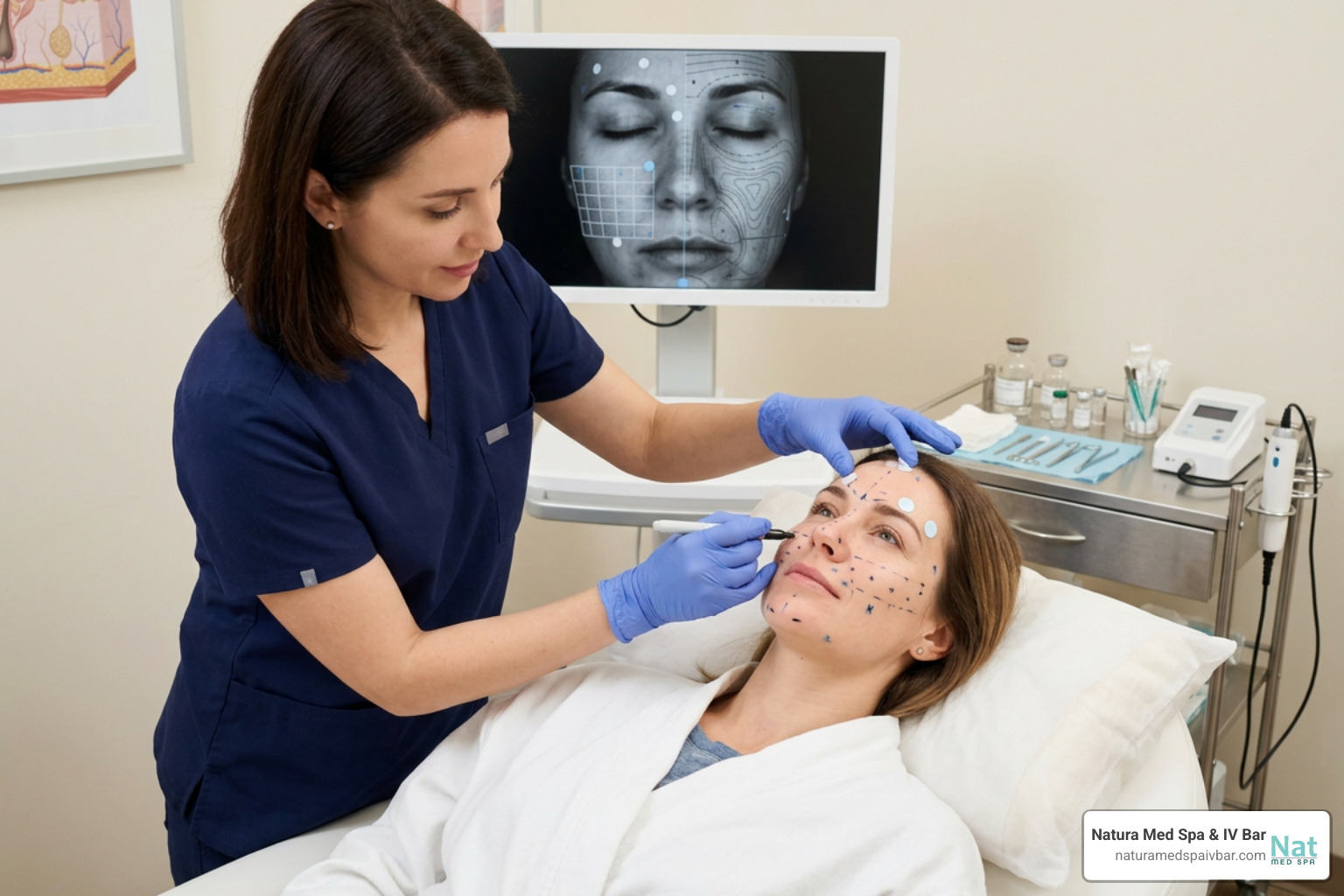
To get a realistic estimate of your total investment, we must look at how the procedure is priced. Most medical spas and specialized clinics price the treatment in one of three ways:
- By Treatment Zone: This is the most common method. Individual areas like the upper eyelids, lower eyelids, forehead, or jowls are assigned flat rates.
- By Package Deals: Because many clients require 2 to 3 sessions to achieve their desired level of skin tightening, clinics often bundle multiple sessions or multiple facial zones at a discounted rate.
- By Skin Severity: If you have deep, structural wrinkles or significant skin laxity, the technician will need to apply a denser pattern of plasma points, which requires more time, more device consumables, and a higher level of precision.
If you are looking to address overall skin laxity without surgery, exploring our dedicated page on Non-Surgical Skin Tightening can help you understand how different clinical modalities are priced and packaged to give you the best return on your investment.
How Treatment Area Size Affects Fibroblast Plasma Cost
The size and anatomical complexity of the area being treated are the primary drivers of the price. Smaller, highly localized zones require less time but demand extreme precision, whereas larger body areas require significant time and product consumables.
Eyelids (Non-Surgical Blepharoplasty)
Often referred to as a “plasma eye lift,” treating the upper and lower eyelids is one of the most popular uses for this technology. Because the skin around the eyes is incredibly thin and delicate, this requires a master technician’s touch.
- Typical Cost: $150 to $600 per session.
- Why: It is a highly specialized alternative to surgical blepharoplasty (which can easily cost $3,000 to $8,000). For a deeper dive into how this works, read our guide on the Eyelid Plasma Lift: The Non-Surgical Way to Perk Up Tired Eyes.
Neck Lift and Jowls
Treating the neck or the sagging skin along the jawline (jowls) involves a much larger surface area. Technicians must carefully map the treatment lines to lift the tissue upward.
- Typical Cost: $150 to $1,500 per session (often averaging around $750 for a full neck lift).
- Why: The neck is highly dynamic, and gravity constantly pulls this skin downward, meaning a larger volume of plasma points is required to achieve a visible, lasting structural lift.
Stomach and Stretch Marks
Using the plasma pen on the abdomen to tighten loose post-pregnancy skin or minimize the appearance of stretch marks is a growing trend.
- Typical Cost: $550 to $2,500 per session.
- Why: The abdomen is a massive treatment zone. A full stomach session can take up to two hours of continuous, meticulous work by the provider, which drives up the time-based cost of the session.
Hidden Fees That Can Increase Your Total Fibroblast Plasma Cost
The price quote you receive during a consultation is often just the “base” cost of the procedure itself. To avoid any surprises when it comes time to pay, you should factor in several common additional expenses:
- Medical-Grade Numbing Cream: To make the procedure comfortable, a high-strength, prescription-grade topical anesthetic (like lidocaine/tetracaine) must be applied 30 to 45 minutes before the treatment. Some clinics include this in the base price, while others charge an additional $50 to $100 fee.
- Post-Treatment Aftercare Serums: Proper healing is critical to preventing complications like hyperpigmentation or scarring. You will need specialized, sterile healing ointments, colloidal silver, or regenerative serums (such as Procell MD or NCTF boosts) to support the skin during the first 72 hours. These aftercare kits can add $80 to $150 to your total bill.
- Downtime Recovery Products: Because your skin will be highly sensitive to ultraviolet light for several weeks post-treatment, you must invest in a high-quality, physical (mineral-based) SPF 30+ sunscreen.
- Touch-Up Sessions: While many clients see great results after one session, those with moderate to severe skin laxity will need a second or third “touch-up” session 6 to 8 weeks later. These follow-up sessions are sometimes discounted but still represent an additional out-of-pocket cost.
Key Factors That Influence Plasma Skin Tightening Prices
If you have spent any time searching for plasma pen services in Colorado, you have likely noticed a massive price gap between different clinics. A quick look at local providers reveals that pricing is highly dependent on where you go, the technology used, and who is holding the pen.
Here is what actually determines those price differences:
1. Practitioner Experience and Credentials
The old adage “you get what you pay for” has never been truer than with fibroblast plasma. Because this treatment creates controlled micro-burns on your skin, the results are entirely operator-dependent. An inexperienced technician using incorrect spacing or depth can easily cause permanent scarring, chemical eye burns from numbing cream run-off, or severe hyperpigmentation (especially on Fitzpatrick skin types IV and above).
A board-certified physician, nurse practitioner, or highly accredited master aesthetician will naturally charge more for their expertise and advanced safety protocols than someone operating out of a home studio with a weekend certification.
2. Device Quality and Technology
The market is flooded with cheap, uncertified, and imported “plasma pens” that can be bought online for under $100. These cheap devices are essentially high-frequency electric needles that burn the skin through direct electrical shock, rather than true ionized plasma. This leads to a high risk of deep tissue burns and scarring.
Reputable medical spas invest thousands of dollars in medical-grade, certified devices such as the Plamere Plasma Pen or advanced Jet Plasma systems. These professional devices deliver highly controlled, precise, and uniform energy, which ensures safety and superior collagen stimulation—but also increases the cost of the treatment.
3. Clinic Location and Overhead
Operating a clean, sterile, and fully licensed medical spa in premium areas like Cherry Creek or downtown Denver comes with higher overhead costs (rent, licensing, medical director supervision, insurance) than a clinic located in a rural area. These overhead costs are reflected in the treatment pricing.
Cost Comparison: Fibroblast Plasma vs. Alternative Treatments
When deciding how to spend your aesthetic budget, it helps to compare the long-term value of fibroblast plasma against other popular anti-aging treatments.

While some treatments have a lower upfront cost, they require frequent maintenance that can make them far more expensive over a three-year period.
| Treatment | Average Upfront Cost | Expected Longevity | Recommended Sessions | Est. 3-Year Total Cost |
|---|---|---|---|---|
| Fibroblast Plasma | $500 – $1,500 | 2 – 3 Years | 1 – 2 sessions | $500 – $3,000 |
| Botox / Dysport | $300 – $600 | 3 – 4 Months | Every 3–4 months | $3,600 – $7,200 |
| Dermal Fillers (e.g., Juvederm) | $600 – $900 per syringe | 6 – 18 Months | Every 12 months | $1,800 – $5,400 |
| RF Microneedling | $800 – $2,000 | 1 Year | 3 – 4 sessions | $2,400 – $8,000 |
| Surgical Facelift | $10,000 – $25,000+ | 10 – 15 Years | 1 surgery | $10,000 – $25,000+ |
How to Choose the Right Path for Your Budget
To help you navigate these options, let’s look at how these treatments compare conceptually:
- Botox & Dysport: If your primary concern is dynamic expression lines (like forehead creases or frown lines), neuromodulators are highly effective. However, they do not tighten loose, sagging skin. To learn more about how we use these treatments, visit our Injectables and Botox pages.
- Dermal Fillers: While fillers like Juvederm are fantastic for restoring lost volume in the cheeks or lips, using them to “lift” sagging skin can sometimes lead to an overfilled, unnatural look. Fibroblast plasma actually tightens the skin itself, rather than just masking the laxity with volume.
- Surgical Facelift or Blepharoplasty: Surgery provides the most dramatic and longest-lasting results, but it requires general anesthesia, weeks of painful downtime, and carries a massive upfront financial cost. Fibroblast plasma serves as a bridge, offering noticeable tightening for mild-to-moderate laxity at a fraction of the cost.
Frequently Asked Questions About Fibroblast Plasma
How many sessions are typically needed for optimal results?
Most clients achieve beautiful, visible skin tightening from just a single session. However, the total number of treatments depends on your age, lifestyle, and the severity of your skin laxity. For moderate sagging (such as heavy eyelid hooding or loose neck skin), a series of 2 to 3 sessions spaced 6 to 8 weeks apart is typically recommended to allow for complete collagen remodeling between treatments.
Is the fibroblast plasma procedure painful?
With professional pain management, the treatment is highly tolerable. Before we begin, we apply a medical-grade, high-strength topical numbing cream to the treatment area for about 30 to 45 minutes. During the procedure, you may feel a warm, prickly sensation or a mild stinging feeling, but it is rarely described as painful. Post-treatment, the skin will feel warm and tight—similar to a moderate sunburn—for the first 24 to 48 hours.
How long do the results of a plasma lift last?
Because fibroblast plasma stimulates your body’s own natural collagen and elastin production, the results are long-lasting—typically lasting 2 to 3 years. However, it is important to remember that while the treatment “rewinds the clock,” it does not stop the natural aging process. Factors like sun exposure, genetics, skincare routines, and smoking will influence how long your skin retains its newly tightened structure.
Conclusion
Investing in your skin is a personal decision, and finding a treatment that fits both your aesthetic goals and your budget is key. Fibroblast plasma offers a unique, cost-effective, and non-surgical way to tighten loose skin, smooth deep wrinkles, and restore a youthful contour without the high cost and downtime of surgery.
At Natura Med Spa & IV Bar, we specialize in delivering safe, results-driven, and highly customized aesthetic treatments. We are proud to serve our local communities with convenient locations in Aurora, CO, Denver, CO, and Cherry Creek, CO. To make your aesthetic journey even more accessible, we offer flexible Financing options, rotate seasonal Specials, and proudly offer a military discount to support our service members.
Ready to see what plasma skin tightening can do for you? Explore our full menu of Med Spa Services or Book your consultation today to receive a personalized treatment plan and cost breakdown tailored to your unique skin goals.