The Ultimate Guide to Juvederm Lip Results
July 21, 2026
How Fibroblast Plasma Eye Lifts Work and What to Expect
July 28, 2026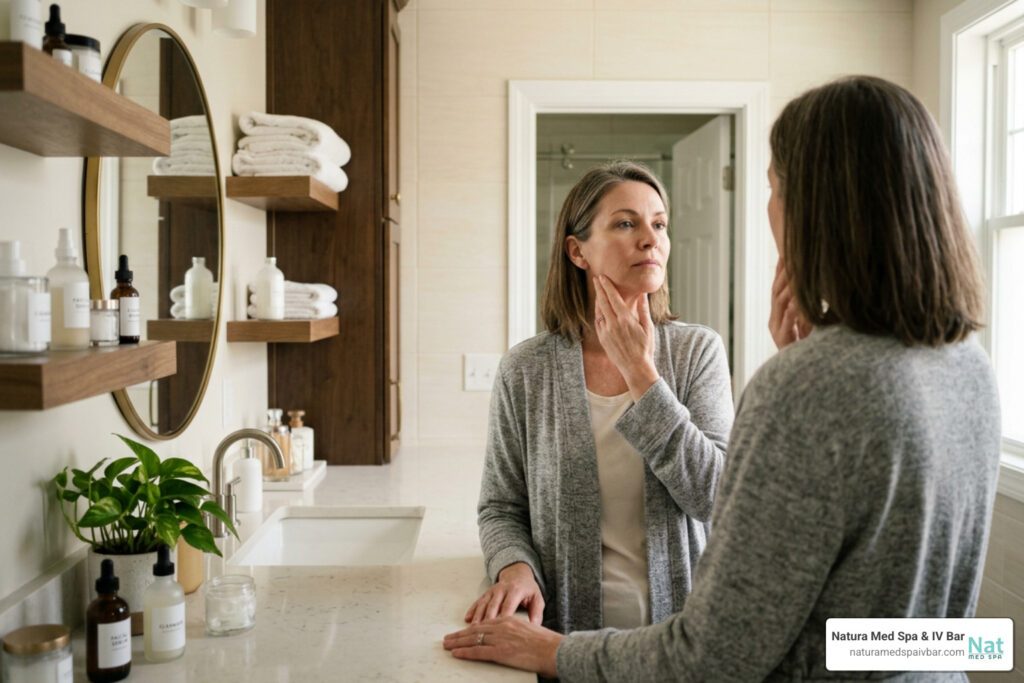
Compare Skin Tightening Options: A Comprehensive Guide
Why Skin Loses Firmness and Elasticity
Skin tightening treatment options have come a long way — and if you’ve ever caught yourself gently pulling back the skin along your jawline in the mirror, wishing it would just stay there, you’re not alone.
Here’s a quick look at the most common non-surgical skin tightening options:
| Treatment Type | How It Works | Best For | Results Last |
|---|---|---|---|
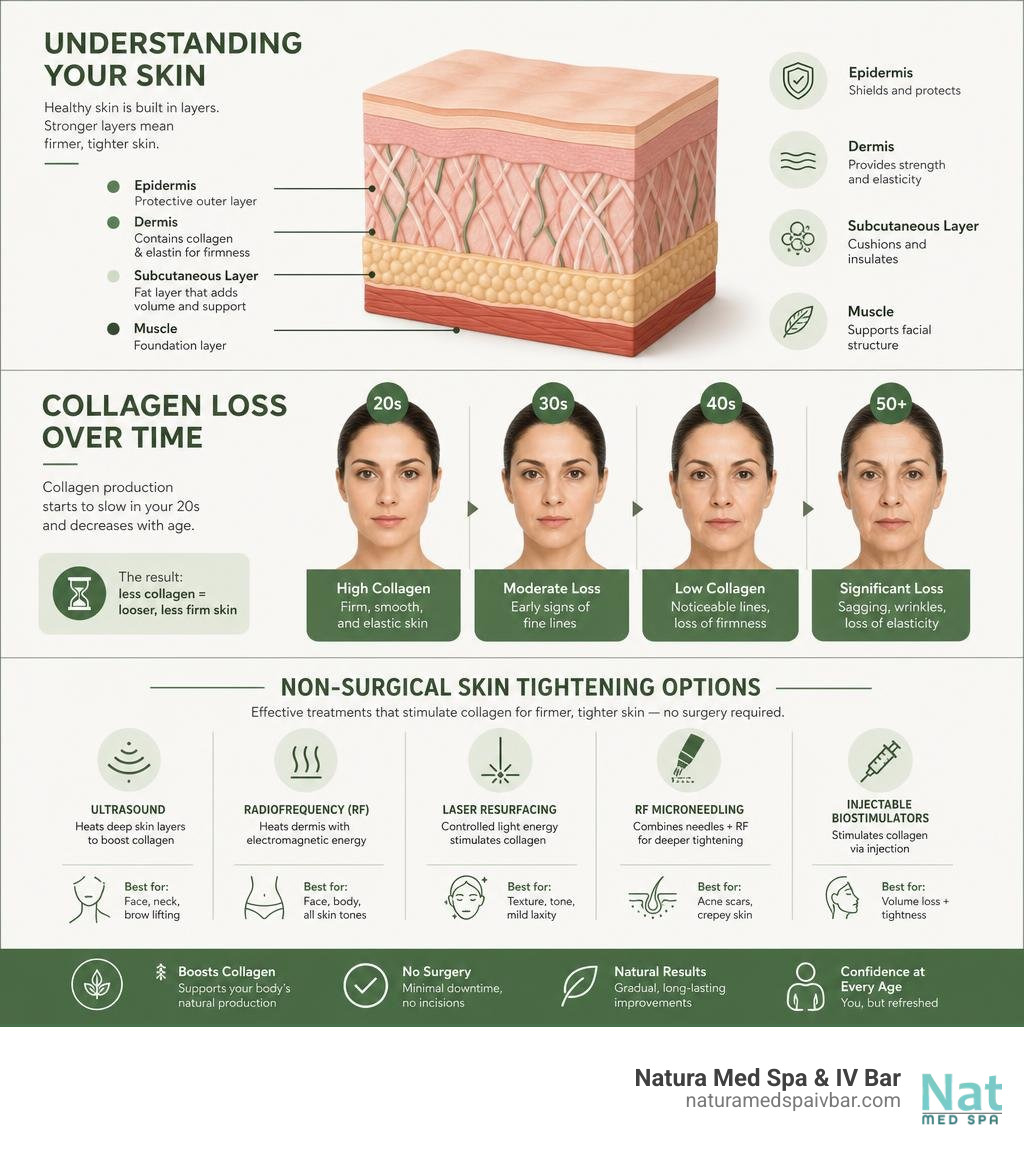
| Ultrasound (e.g., Ultherapy) | Heats deep skin layers up to 5mm | Face, neck, brow lifting | Up to 1 year |
| Radiofrequency (RF) | Heats dermis with electromagnetic energy | Face, body, all skin tones | 1–3 years |
| Laser resurfacing | Controlled light energy stimulates collagen | Texture, tone, mild laxity | 1+ years |
| RF Microneedling (e.g., Morpheus8) | Combines needles + RF for deeper tightening | Acne scars, crepey skin | Up to 1 year |
| Injectable biostimulators (e.g., Sculptra) | Stimulates collagen via injection | Volume loss + tightness | Up to 2 years |
As we age, our bodies slow down collagen and elastin production — the two proteins that keep skin firm and smooth. This process starts as early as your 20s and accelerates with sun exposure, stress, and lifestyle habits. The result? Loose skin along the jawline, neck, upper arms, and abdomen that no amount of moisturizer will fully fix.
The good news is that non-surgical skin tightening treatments can stimulate your body’s own collagen, delivering real — if modest — improvements without surgery, scars, or significant downtime. More than 188,000 Americans received a skin tightening procedure in 2020 alone, and the options have only improved since then.
I’m Abla Jad, and through building and scaling my own multi-location healthcare business, I’ve seen how the right skin tightening treatment can fit seamlessly into a busy lifestyle while delivering meaningful results. In this guide, I’ll walk you through everything you need to make a confident, informed decision.
Basic skin tightening treatment glossary:
To understand why your skin begins to sag, we have to look beneath the surface. Your skin’s structural integrity is maintained primarily in the dermal layer—the thick middle layer of your skin. This layer acts like the mattress of your face, while the epidermis (the outer layer) is simply the bedsheet.
Within this dermal mattress, specialized cells called fibroblasts are responsible for manufacturing two vital structural proteins:
- Collagen: This provides the strength, structure, and firmness that keeps skin from sagging.
- Elastin: This gives your skin its “snapback” quality, allowing it to stretch and bounce back into place.
Starting in your mid-20s, the natural aging process causes fibroblasts to slow down their production of these essential proteins. Every year after age 20, your skin produces about 1% less collagen. Over time, the existing collagen fibers become fragmented and disorganized, and the elastin network begins to lose its spring.
While biological aging is the foundation of skin laxity, environmental and lifestyle factors act as major accelerators:
- Sun Exposure (UV Damage): Ultraviolet radiation is the ultimate collagen killer. UV rays penetrate deep into the dermis, unleashing free radicals that break down collagen and elastin fibers at an alarming rate.
- Lifestyle Factors: Habits like smoking restrict blood flow to the skin, starving fibroblasts of oxygen and nutrients. Poor diet, high sugar intake (which leads to glycation, a process that stiffens collagen), and chronic stress further compromise your skin’s ability to repair itself.
- Fluctuations in Weight: Stretching the skin over a prolonged period damage the underlying collagen and elastin fibers, making it harder for the skin to bounce back after weight loss.
If you are looking for dramatic, surgical-like results from a jar, you will likely be disappointed. While skin-firming creams can hydrate and temporarily plump the surface of your skin to minimize fine lines, they cannot penetrate deep enough to rebuild your dermal mattress. To truly firm sagging skin, you must trigger a biological healing response deeper in the dermis. This is why collagen-stimulating treatments have become the gold standard in modern anti-aging medicine.
Choosing the Right Non-Surgical Skin Tightening Treatment

When exploring a non-surgical skin tightening treatment, you will encounter a variety of energy-based devices and clinical techniques. These treatments generally fall into three categories based on how deeply they penetrate and how they are administered:
- Non-Invasive Treatments: These procedures deliver energy (such as ultrasound, radiofrequency, or laser light) directly through the surface of the skin without any incisions, needles, or injections. They require zero downtime, making them highly popular for busy individuals in the Denver metro area.
- Minimally Invasive Treatments: These procedures involve superficial micro-punctures (like microneedling) or small injections to deliver energy or active biostimulatory ingredients directly into the dermis. They offer enhanced collagen stimulation with only a day or two of mild redness.
- Subdermal/Sub-surface Treatments: These are slightly more intense procedures where a thin probe or cannula is inserted just beneath the skin’s surface under local anesthesia to heat the tissue from the inside out.
To help you visualize how these different technologies target your skin, consider the depth of penetration for each modality:
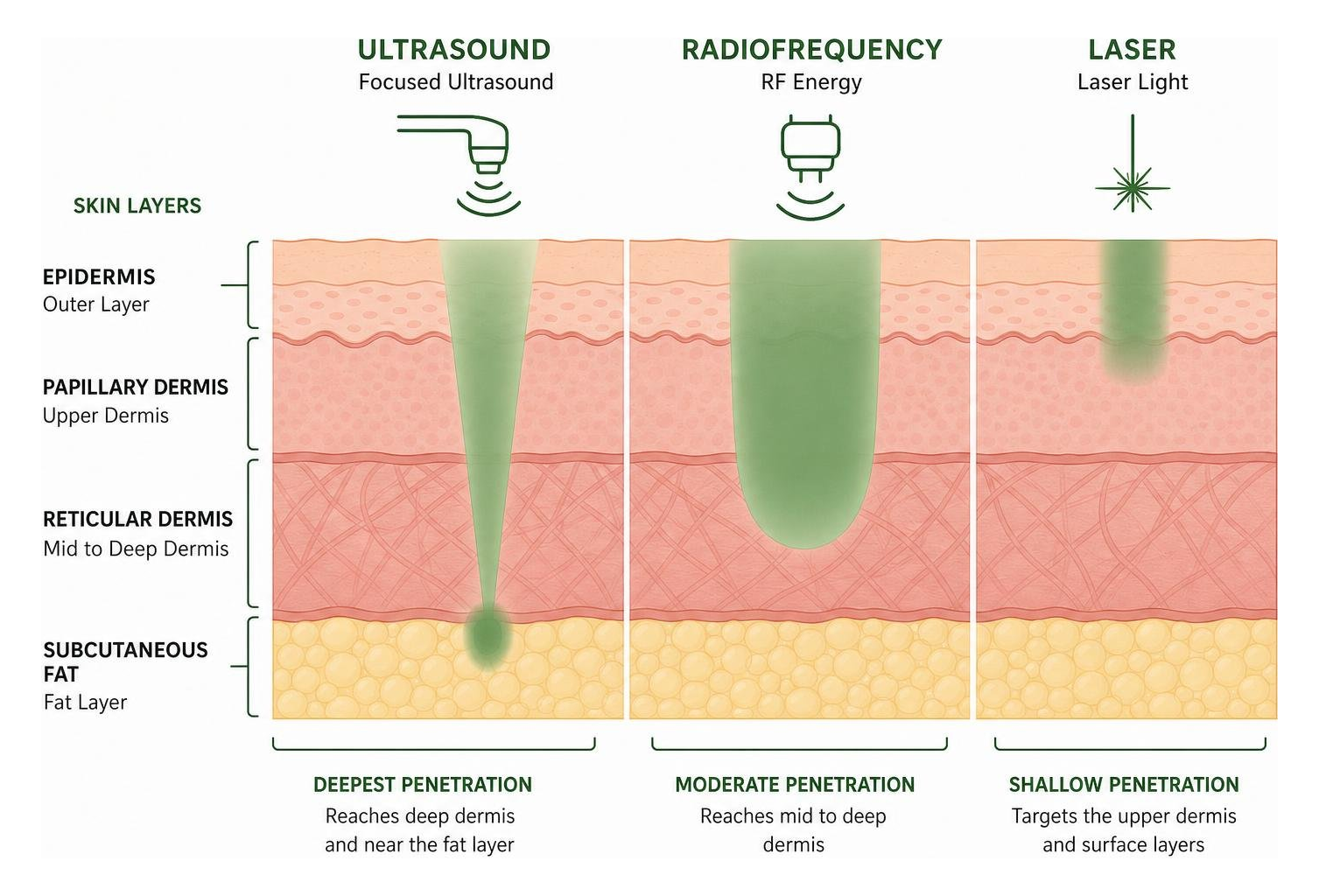
Choosing the right technology depends on your specific goals, the area of the body you want to treat, and your skin tone. Let’s look closely at how each of these energy sources works to restore your skin’s youthful structure.
How Energy-Based Skin Tightening Treatment Works
Non-surgical energy-based devices rely on a fundamental biological principle: controlled thermal energy. By heating the deeper layers of the skin to a specific, safe temperature (typically between 40°C and 45°C for radiofrequency, and higher for focused ultrasound), these treatments trigger a dual-action response:
- Immediate Protein Shrinkage: The heat instantly causes existing, loose collagen fibers to contract and shorten, providing a subtle, immediate lifting effect.
- Delayed Neocollagenesis: The heat acts as a “friendly alarm” to your body’s natural defense systems. Believing there is a minor injury, your body floods the area with growth factors and activates fibroblasts to build brand-new, tightly woven collagen and elastin fibers over the next 2 to 6 months.
Each technology achieves this heating in a different way:
Ultrasound Skin Tightening
Often referred to as a “mini facelift” alternative, ultrasound technology (such as Ultherapy or Sofwave) uses focused acoustic waves to bypass the skin’s surface and deliver heat deep into the foundational layers—up to 5mm deep. This is the same deep structural layer (the SMAS) that cosmetic surgeons target during a surgical facelift. Because it reaches so deep, ultrasound is highly effective for lifting and tightening the brow, chin, neck, and upper chest. Most people see progressive lifting within 2 to 6 months after just one treatment session.
Radiofrequency (RF) Skin Tightening
RF technology uses safe, low-frequency electromagnetic waves to generate heat within the dermis. Unlike light-based treatments, RF energy is not absorbed by melanin (the pigment in your skin). This makes Radio Frequency (RF) Skin Tightening exceptionally safe and effective for all skin tones, with a very low risk of hyperpigmentation. Newer platforms, like XERF, utilize dual-frequency monopolar RF to target both superficial and deep dermal layers (up to 3mm) simultaneously, maximizing collagen remodeling while utilizing advanced cooling to keep the surface of the skin comfortable.
Laser Skin Resurfacing
Laser treatments use focused beams of light energy to heat the skin. Non-ablative fractionated lasers create micro-thermal treatment zones in the dermis while keeping the outer layer of skin intact, allowing for rapid healing. For more extensive aging and deep wrinkles, ablative lasers gently remove the outer layers of damaged skin to trigger a profound resurfacing and tightening effect. Laser resurfacing is highly effective for smoothing crepey skin texture, reducing fine lines, and firming mild skin laxity around the eyes and mouth.
Advanced Modalities: Microneedling and Injectable Skin Tightening Treatment
For those looking to combine the benefits of cellular rejuvenation with mechanical tissue remodeling, advanced combination treatments offer unparalleled results.
RF Microneedling
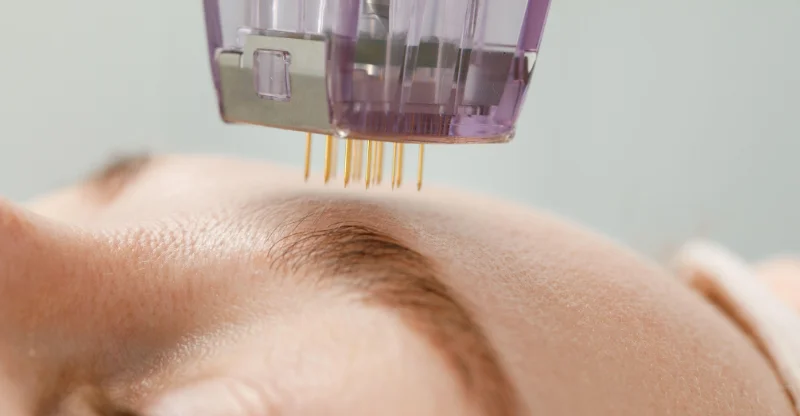
RF microneedling (such as Morpheus8 or Potenza) is a powerhouse treatment that bridges the gap between non-invasive energy devices and minimally invasive procedures. During this treatment, ultra-fine insulated needles create uniform microchannels in the skin. As the needles reach their programmed depth, they release a pulse of radiofrequency energy directly into the deep dermis.
This dual-action approach combines the physical benefits of microneedling (which physically breaks up scar tissue and triggers a healing response) with the deep thermal energy of RF. It is highly sought after in our Aurora and Denver clinics for treating acne scars, reducing under-eye bags, defining the jawline, and tightening crepey skin on both the face and body. To learn more about how this works, check out our microneedling services page and explore the secrets of microneedling.
For an even more luxurious, cellular-level recovery, many of our clients pair microneedling with a Vampire Facial to utilize their body’s own growth factors, or experience our advanced Nouvaderm treatment for ultimate skin refinement.
Biostimulatory Injectables
Unlike traditional hyaluronic acid dermal fillers that temporarily add physical volume to “fill” a wrinkle, biostimulatory injectables like Sculptra (made of poly-L-lactic acid, or PLLA-SCA) work by teaching your skin to regenerate itself. When injected into areas of laxity, the microparticles of PLLA-SCA stimulate your fibroblasts to produce a flood of natural collagen. Over several months, the injectable material naturally dissolves, leaving behind a strong, supportive framework of your own collagen. This restores natural facial contours, improves skin glow, and provides long-lasting skin tightness along the jawline and cheeks.
What to Expect: Results, Longevity, and Costs
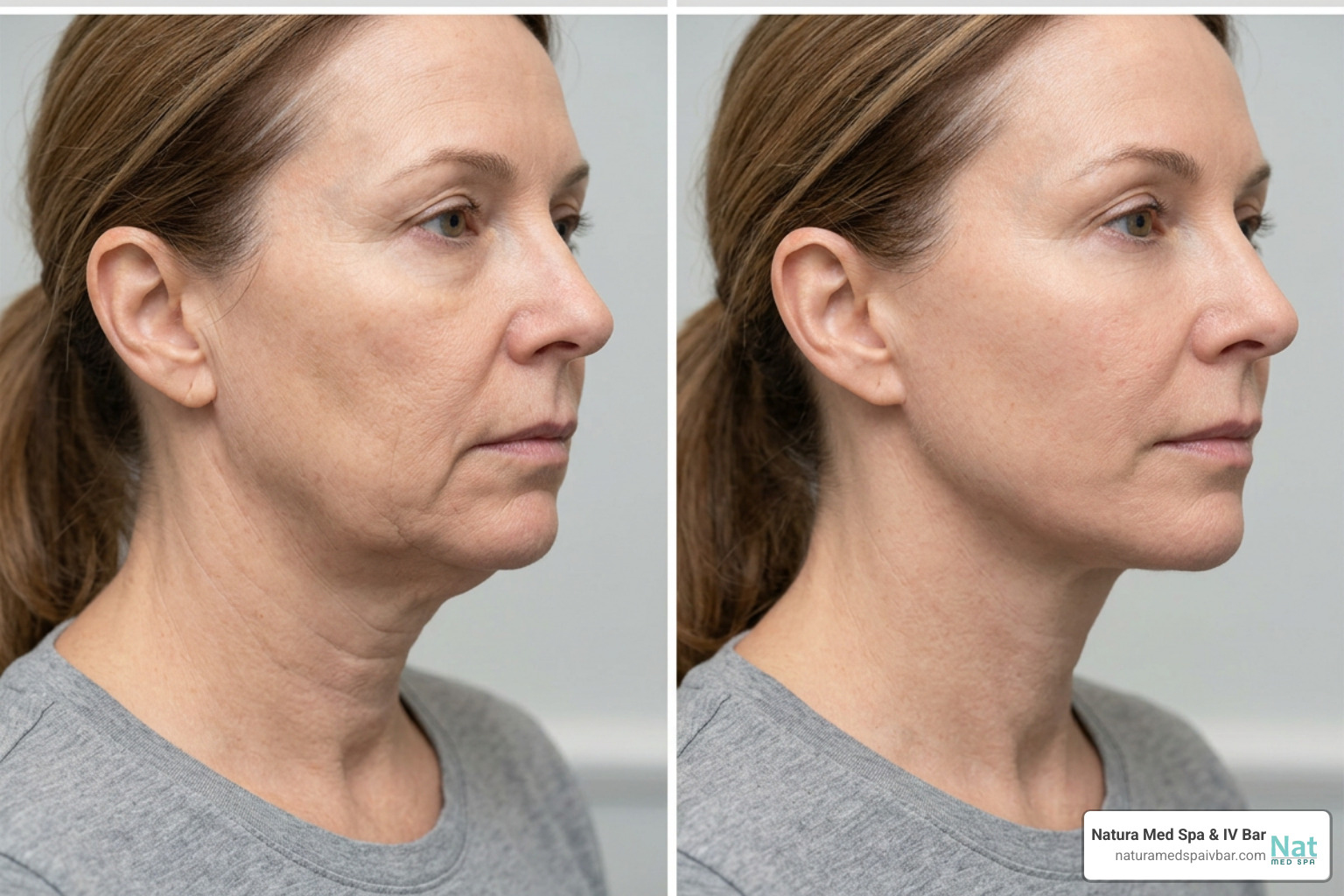
When planning a non-surgical skin tightening treatment, managing expectations is key to a satisfying experience. While these procedures do not deliver the dramatic, instant tissue repositioning of a surgical facelift, they provide natural-looking, gradual improvements with minimal to no disruption to your daily routine.
Treatment Experience and Timeline
- Procedure Duration: Most non-invasive skin tightening sessions take 1 hour or less (typically 30 to 90 minutes depending on the target area).
- Sensation: You may experience a warming, deep heating, or light snapping sensation during the procedure. Providers often apply a topical numbing cream or utilize built-in cooling technologies to ensure your comfort.
- Downtime: Non-invasive treatments (like RF and ultrasound) require zero downtime, allowing you to return to work or daily activities immediately. Minimally invasive treatments (like RF microneedling or laser resurfacing) may involve 1 to 3 days of mild redness and swelling, similar to a light sunburn.
- Results Timeline: While immediate collagen contraction can sometimes create a subtle, instant “glow” or lift, your true, meaningful results will develop gradually over 2 to 6 months as new collagen matures.
Understanding the Financial Investment
Because skin tightening procedures are cosmetic, they are not covered by health insurance. According to national average data compiled by the American Board of Cosmetic Surgery, the typical costs for these procedures are:
- Ultrasound Skin Tightening: National average cost is $993, with a typical range of $770 to $1,862 per session.
- Radiofrequency Skin Tightening: National average cost is $755, with a typical range of $582 to $1,448 per session.
- Non-Ablative Laser Resurfacing: National average cost is $1,815, with a typical range of $995 to $3,678 per session.
Note: Total costs vary based on the geographic location, the specific device used, and the number of sessions recommended for your customized plan.
Post-Treatment Care Best Practices
To maximize your collagen-building results and protect your investment, we recommend following these post-care guidelines:
- Wear Sunscreen Daily: Protect your newly stimulated collagen by wearing a broad-spectrum SPF 30 or higher every single day. UV exposure will rapidly degrade your results.
- Stay Hydrated: Well-hydrated skin cells are more efficient at producing collagen. Drinking plenty of water post-treatment is essential.
- Incorporate Retinoids or Vitamin C: Use medical-grade skincare products containing retinoids or antioxidants like Vitamin C to support ongoing collagen synthesis at home.
- Avoid Smoking and Excess Alcohol: Both habits introduce toxins that damage delicate new collagen fibers and slow down your skin’s natural healing response.
Frequently Asked Questions About Skin Firming
Who is a good candidate for non-surgical skin tightening?
The ideal candidate is someone with mild to moderate skin laxity who is looking to firm, lift, and smooth their skin without undergoing invasive surgery. Good candidates are generally at a stable, healthy weight, do not smoke, and maintain a consistent sun protection routine.
These treatments are excellent for younger patients (in their 30s and 40s) acting preventatively to delay the signs of aging, as well as older individuals looking to maintain skin firmness. Contraindications include pregnancy, active skin infections in the treatment area, pacemakers (for RF treatments), or certain auto-immune conditions.
How long do skin tightening results last?
The longevity of your results depends heavily on the technology used and how well you care for your skin. On average, results from a non-surgical skin tightening treatment last up to 1 year or longer.
With a dedicated medical-grade skincare routine and consistent sun protection, the collagen-remodeling effects of radiofrequency treatments can last one to three years. Because your body continues to age naturally, we typically recommend scheduling a single maintenance treatment every 12 months to keep your collagen levels topped off.
How do I choose the right provider for skin tightening?
Because energy-based devices are powerful medical tools, choosing an experienced, qualified provider is critical to avoiding complications like burns or hyperpigmentation.
Look for a reputable medical spa or dermatology clinic operating under the direct supervision of an experienced Medical Director. Ensure your treatments are performed by licensed aestheticians or certified laser technicians who take the time to design personalized treatment plans tailored specifically to your skin type, structural anatomy, and aesthetic goals.
Conclusion
At Natura Med Spa & IV Bar, we believe that beauty and wellness go hand in hand. We are dedicated to providing convenient, results-driven treatments designed to help you look and feel your absolute best. Whether you are visiting us in Aurora CO, Denver CO, or our luxurious location in Cherry Creek CO, our expert team is here to guide you every step of the way.
We specialize in creating highly customized, multi-modality treatment plans. For example, we often combine advanced skin tightening with IV therapy to hydrate your body from the inside out, or pair your session with a refreshing HydraFacial to leave your skin glowing. As part of our commitment to our Colorado community, we are proud to offer exclusive military discounts for our service members and their families.
Ready to restore your skin’s youthful bounce and definition? Book a non-surgical skin tightening consultation with us today, and let’s design the perfect plan for your skin!