Smooth Operator: How Volbella and Juvederm Erase Fine Lines
July 2, 2026
Pucker Up: Why Volbella Lip Filler is Your New Best Friend
July 7, 2026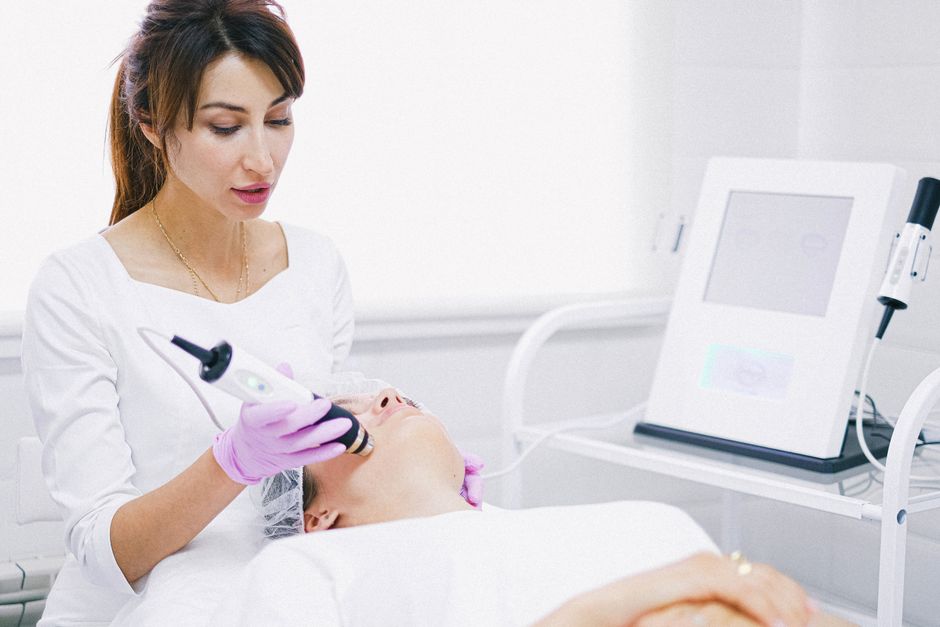
The Ultimate Guide to Cold Plasma Skin Tightening
What Cold Plasma Skin Tightening Actually Does (And Why It’s Worth Knowing About)
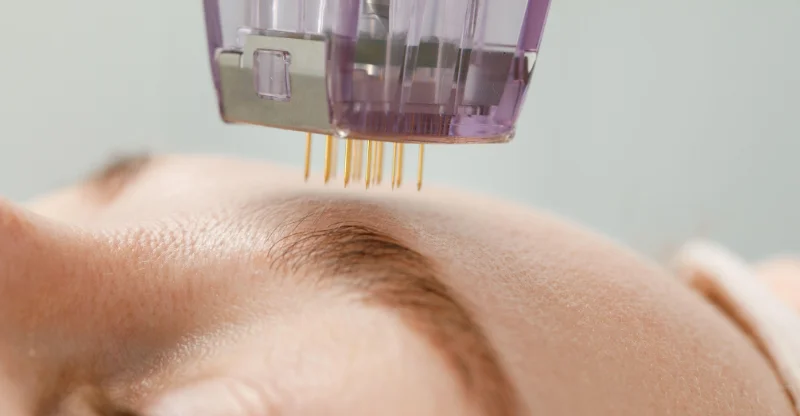
Cold plasma skin tightening is a non-invasive treatment that uses ionized gas — the fourth state of matter — to stimulate your skin’s own collagen and elastin production, visibly firming and smoothing without needles, surgery, or significant downtime.
Quick answer: What does cold plasma skin tightening do?
- Tightens loose or lax skin by activating fibroblasts to produce new collagen and elastin
- Reduces fine lines and wrinkles with measurable improvement in skin elasticity
- Treats acne, rosacea, hyperpigmentation, and eczema through antibacterial and anti-inflammatory action
- Boosts skincare absorption by up to 120 times immediately after treatment
- Requires zero to minimal downtime — most people return to their day right away
- Safe for a wide range of skin types, including darker Fitzpatrick tones that can be risky to treat with lasers
If you’re in your 30s, 40s, or 50s and noticing that your skin looks a little less firm, a little more tired — you’re not imagining it. Collagen production naturally declines 1–2% per year after menopause in women, and the effects show up in the mirror long before most people are ready to consider surgery.
Cold plasma has emerged as one of the more scientifically supported non-surgical options for addressing that loss. Clinical studies have shown statistically significant improvements in skin elasticity, wrinkle scores, and pigmentation — with a 95% patient satisfaction rate in one trial focused on facial rejuvenation.
It’s not magic. But the science behind it is genuinely interesting — and the results are real.
What is Cold Plasma and How Does It Work?
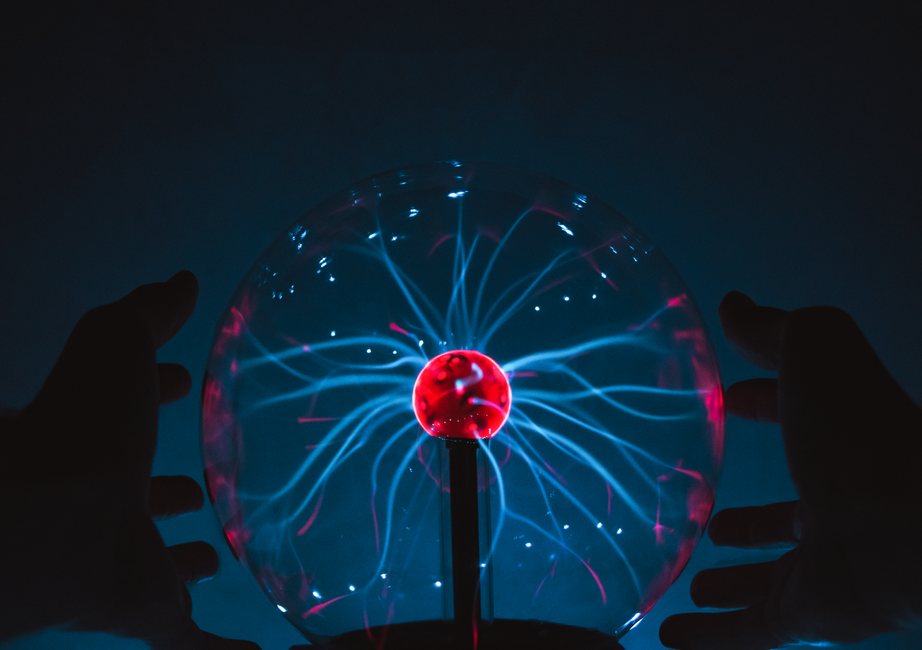
To understand cold plasma skin tightening, we have to take a quick trip back to high school science class. We all know the three classic states of matter: solid, liquid, and gas. But there is a fourth state: plasma.
Plasma is created when energy is applied to a gas, causing its atoms to lose or gain electrons. This process, called ionization, turns the gas into a highly active cloud of free electrons, positive ions, and neutral particles.
When we apply this ionized gas to the skin, we are delivering a highly controlled “storm” of energy. This cloud contains reactive oxygen species (ROS) and reactive nitrogen species (RNS). While “reactive oxygen” might sound like something you want to avoid (like free radicals), in controlled, low-dose therapeutic settings, these species act as powerful biological messengers. They signal your cells to jumpstart healing, trigger tissue regeneration, and eliminate harmful pathogens on the skin’s surface.
For a deeper dive into how this technology is used in medical settings, you can read this Scientific overview of cold atmospheric plasma. If you are curious about how we integrate these advanced technologies into our clinical practice, check out More info about our treatments.
How Cold Plasma Differs from Thermal Plasma and High-Temperature Devices
In the medical aesthetics world, “plasma” is used in a few different ways, which can cause confusion. The primary difference lies in temperature and the way energy is delivered to the tissue.
- Thermal Plasma (High-Temperature Devices): Traditional plasma treatments (like J-Plasma or standard plasma fibroblast pens) use high-temperature energy. These devices ionize gas (often helium or nitrogen) to generate intense heat, sometimes reaching up to 1,000°C at the point of contact. This deliberate, controlled thermal damage vaporizes tiny dots of the epidermis to force the skin to contract and regenerate. While highly effective, professional thermal plasma treatments can cause significant tissue damage, requiring a recovery time of 5 to 14 days, during which patients experience swelling, scabbing, and redness.
- Cold Atmospheric Plasma (CAP): Cold plasma, on the other hand, operates at a highly comfortable temperature range, typically between 35°C and 55°C. Because the skin temperature remains below 40°C during professional applications, there is no thermal damage, no vaporization of the epidermis, and no burning sensation. Instead of forcing regeneration through thermal injury, cold plasma gently stimulates cellular activity.
By avoiding high-temperature energy, cold plasma minimizes risks of scarring and post-inflammatory hyperpigmentation (PIH), making it a much safer option for sensitive areas and diverse skin tones.
The Science Behind Cold Plasma Skin Tightening
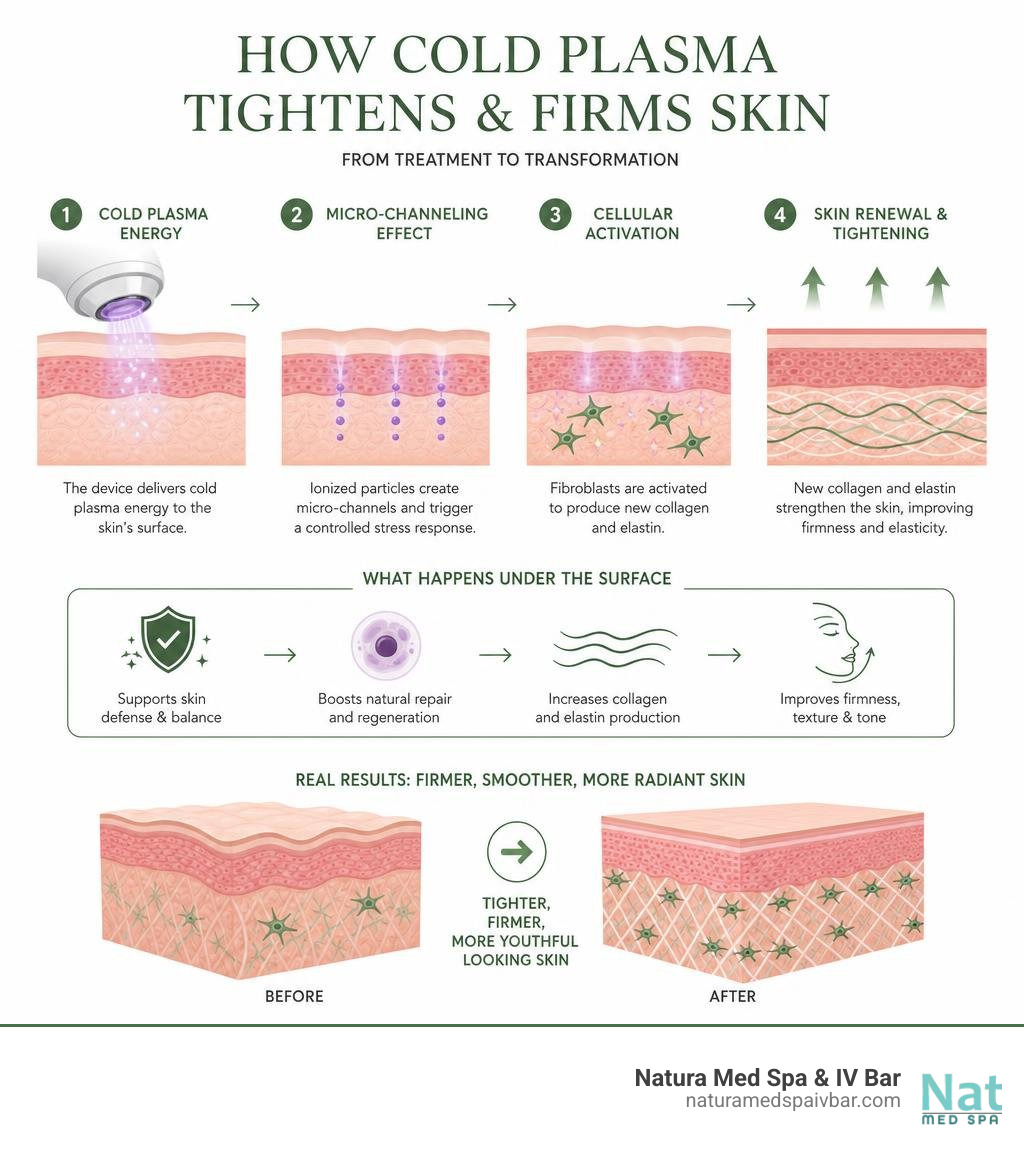
How does a cool, ionized gas actually make your skin firmer? The secret lies in your fibroblasts—the specialized cells in your dermis responsible for manufacturing collagen, elastin, and hyaluronic acid.
When cold plasma comes into contact with the skin, the reactive oxygen and nitrogen species trigger a process called hormetic induction. Hormesis is a biological phenomenon where a mild, non-damaging stressor stimulates a beneficial, protective response from the body.
In this case, the low-intensity plasma energy stimulates these dermal fibroblasts to upregulate the expression of essential extracellular matrix (ECM) proteins. It essentially whispers to your cells to get back to work, triggering:
- Neocollagenesis: The synthesis of fresh Type I and Type III collagen, which provides structural support.
- Elastin Production: Rebuilding the elastic fibers that give your skin its “bounce-back” quality.
- Improved Microcirculation: The electric fields and nitric oxide (NO) generated by plasma improve blood flow, bringing oxygen and essential nutrients directly to the treated tissue.
This scientific pathway is well-documented. For instance, you can review this Research on low-intensity cold plasma for wrinkles, which details how this gentle energy stimulates extracellular matrix proteins in human dermal fibroblasts to smooth photoaged skin.
Clinical Benefits, Protocols, and Synergy of Cold Plasma
While cold plasma skin tightening is highly celebrated for its anti-aging benefits, its unique physical properties make it a versatile treatment for a wide range of dermatological concerns.

Because cold plasma is highly antibacterial and anti-inflammatory, it is an exceptional tool for treating:
- Active Acne and Acne Scars: Cold plasma destroys the molecular structure of Cutibacterium acnes (the bacteria responsible for breakouts) on contact, without the risk of antibiotic resistance. It is so gentle that it is suitable for pediatric acne patients as young as age 12.
- Inflammatory Conditions: It helps calm the redness, itching, and irritation associated with eczema, rosacea, and psoriasis.
- Hyperpigmentation: By regulating melanin production and accelerating cellular turnover, it helps fade sun spots, melasma, and uneven skin tone.
For clinical validation of these multi-faceted benefits, you can read this Study on low-temperature plasma for facial rejuvenation, which highlights significant improvements in wrinkles, skin elasticity, and dyspigmentation in Asian populations.
Addressing Wrinkles and Laxity with Cold Plasma Skin Tightening
If your primary goal is lifting sagging skin and smoothing fine lines, cold plasma delivers measurable structural changes. Unlike superficial treatments that only address the very top layer of dead skin, cold plasma penetrates deep enough to alter the physical and mechanical properties of the dermis.
In clinical settings, researchers use a device called a Cutometer to measure skin elasticity parameters, specifically looking at R2 (overall elasticity) and R5 (net elastic recovery). Studies evaluating plasma treatments have shown remarkable improvements:
- Elasticity Gains: Research indicates that plasma treatments can increase R2 elasticity by approximately 36% and R5 net elastic recovery by 48% to 58% over a four-week period.
- Skin Density and Thickness: Ultrasound measurements show that skin thickness and dermal collagen density significantly increase within four weeks of treatment. In laboratory models, higher-voltage applications achieved an epithelial thickness increase of up to 65.75% and a collagen thickness increase of 16.68%.
- Immediate Contraction: A fascinating aspect of plasma is its ability to cause immediate, temporary skin shrinkage. In controlled studies, a single short application produced an immediate skin shrinkage of 15.38% to 21.27%, providing an immediate tightening effect that continues to build as new collagen matures.
To explore the relationship between different plasma parameters and structural skin improvements, take a look at this Research on spark plasma voltages and skin rejuvenation.
Treatment Protocols and Vitamin C Synergy
A typical professional cold plasma treatment protocol is designed to achieve cumulative, long-lasting results.
- Session Duration: A full-face session typically takes between 15 to 45 minutes, depending on the specific device and whether targeted areas (like the eyes or mouth) are being treated.
- Treatment Course: For optimal results, we generally recommend a series of 6 to 8 sessions scheduled one week apart. This consistent schedule allows the epidermal layers to recover while maintaining a steady stimulus on the dermal fibroblasts.
- Visible Timeline: While many patients notice an immediate glow and temporary tightening right after their first session, the true magic of collagen remodeling takes time. Optimal structural results typically become visible around the 3-month mark, with improvements continuing to develop for up to 6 to 12 months.
The Transdermal Drug Delivery System (TDDS) & Vitamin C Synergy
One of the most exciting aspects of cold plasma is its ability to act as a Transdermal Drug Delivery System (TDDS).
When cold plasma is applied to the skin, it temporarily disrupts the lipid barrier and increases the skin’s surface hydrophilicity (its ability to attract water). This creates temporary micro-channels that allow active ingredients to pass through the stratum corneum with ease.
In fact, clinical research shows that plasma treatment can boost skincare product absorption by up to 120 times immediately following the procedure.
This makes cold plasma the ultimate partner for topical antioxidants, particularly Vitamin C. Vitamin C is an essential cofactor for the enzymes (proline and lysine hydroxylases) that stabilize and cross-link collagen fibers. When you combine cold plasma with a high-quality Vitamin C serum:
- The plasma opens the door, allowing the Vitamin C to penetrate deeply into the dermis.
- The Vitamin C quenches any excess reactive oxygen species generated by the plasma, acting as a protective antioxidant.
- Together, they produce a synergistic boost in collagen synthesis, leading to faster, more pronounced improvements in skin elasticity and hydration than either treatment could achieve alone.
You can read more about this powerful combination in this Clinical trial on cold plasma and vitamin C synergy.
Cold Plasma Skin Tightening vs. Other Aesthetic Technologies
To help you decide if cold plasma is the right choice for your skin goals, let’s look at how it compares to other popular non-surgical skin tightening options on the market.
| Feature | Cold Plasma Skin Tightening | Radiofrequency (RF) / Microneedling | Ablative Lasers (e.g., CO2) | Traditional Facials |
|---|---|---|---|---|
| Primary Mechanism | Ionized gas (non-thermal reactive species) | Thermal heat via needles or radio waves | Thermal vaporization of skin tissue | Topical exfoliation and hydration |
| Skin Depth | Epidermis to Dermis (non-destructive) | Deep Dermis & Subdermal fat | Epidermis and Dermis (destructive) | Stratum Corneum (superficial) |
| Downtime | Zero to minimal (mild redness for <24 hours) | 24 to 72 hours of redness and swelling | 7 to 14 days of peeling, scabbing, and healing | Zero downtime |
| Pain Level | Very low (mild warming or tingling) | Moderate (usually requires numbing cream) | High (requires numbing/pain management) | Extremely low/relaxing |
| Chromophore Dependent? | No (Safe for all skin tones) | No | Yes (High risk of hyperpigmentation for dark skin) | No |
| Target Concerns | Laxity, wrinkles, acne, rosacea, absorption | Laxity, deep wrinkles, acne scars, fat remodeling | Deep wrinkles, severe sun damage, scars | Mild dryness, dullness, surface congestion |
Unlike lasers, which are chromophore-dependent (meaning they target specific pigments like melanin or hemoglobin and can cause accidental burns or hyperpigmentation on darker skin), cold plasma is entirely chromophore-independent. This makes it an incredibly safe, highly predictable option for all Fitzpatrick skin types, from very fair to very dark.
If you would like to explore our full range of non-surgical options to see how they compare, visit our page on Non-Surgical Skin Tightening.
Why Professional Med Spa Treatments Outperform At-Home Alternatives
With the rise of beauty tech, there are several at-home cold plasma devices now available on the market. While these portable devices can be a helpful addition to a daily maintenance routine, they cannot match the results of professional-grade clinical treatments.
- Energy Levels & Calibration: At-home devices are legally restricted to very low energy levels to prevent accidental injury. They typically operate at lower voltages and frequencies, meaning they only affect the very surface of the skin. Professional devices are medical-grade instruments that deliver precisely calibrated, higher-energy plasma fields capable of penetrating deep into the dermal layers where collagen remodeling actually occurs.
- Safety and Sanitation: Professional treatments are performed in a sterile, controlled clinical environment under the supervision of trained aesthetic professionals. This ensures the device is kept at the optimal distance and angle to prevent uneven energy delivery or skin irritation.
- Customized Treatment Plans: At a professional med spa, your treatment isn’t one-size-fits-all. We can customize the energy settings, session duration, and post-treatment topical serums (like medical-grade Vitamin C or growth factors) to address your unique skin concerns, ensuring you get the safest and most effective results possible.
Frequently Asked Questions about Cold Plasma Skin Tightening
Is cold plasma skin tightening safe for all skin types?
Yes! Because cold plasma is non-thermal and non-chromophore-dependent, it does not target melanin. This means there is virtually zero risk of post-inflammatory hyperpigmentation (PIH) or hypopigmentation, making it exceptionally safe for all tones on the Fitzpatrick scale.
However, there are a few standard contraindications. You should avoid plasma treatments if you:
- Are pregnant or breastfeeding
- Have a pacemaker or other implanted electrical devices
- Have metal implants in the treatment area
- Suffer from active, severe skin infections or open wounds in the target area
How long do the results of cold plasma skin tightening last?
Because cold plasma stimulates your body’s natural biological healing cascade, the results are gradual and highly natural-looking. The new collagen and elastin fibers created during the treatment course are yours to keep! Collagen remodeling continues for at least one year following a professional treatment course.
In general, the visible skin tightening and smoothing results can last for several months to years, depending on your age, genetics, and lifestyle factors (such as sun exposure, smoking, and skincare routine). To maintain your glowing, firm skin, we typically recommend a single maintenance session every 3 to 6 months.
Is there any downtime or pain associated with cold plasma?
One of the greatest benefits of cold plasma skin tightening is the comfort level. Because the device operates at a comfortable 35-55°C, most patients describe the sensation as a mild warming or a light, completely tolerable tingling. It is virtually painless, and we do not need to apply numbing cream for standard cold plasma sessions.
There is zero downtime associated with this treatment. Unlike microneedling, which leaves the skin red and sensitive for 24 to 72 hours, cold plasma preserves the epidermal barrier. You might experience some mild, transient redness immediately after your session, but this typically resolves within a few hours. Some patients experience very mild, microscopic peeling a few days after treatment as cellular turnover accelerates, which can easily be managed with a gentle moisturizer.
Conclusion
Aging is a natural part of life, but losing your skin’s natural firmness doesn’t have to be. Cold plasma skin tightening offers a highly scientific, comfortable, and non-invasive way to rebuild your skin’s structural support system from the inside out. Whether you want to smooth fine lines, lift lax skin around your jawline, or clear up stubborn acne and rosacea, this innovative technology delivers real, measurable results without the recovery time or risks of surgery.
At Natura Med Spa & IV Bar, we are proud to offer convenient, results-driven beauty and wellness treatments tailored to your unique goals. We proudly serve our local communities across Colorado, with convenient locations in:
- Aurora, CO (Visit our Aurora CO Location)
- Denver, CO
- Cherry Creek, CO (Visit our Cherry Creek Denver CO Location)
To show our appreciation for those who serve, we are honored to offer military discounts on our services.
Ready to experience the future of non-surgical skin rejuvenation? We invite you to contact us today to set up a personalized consultation with one of our experienced aesthetic experts. Let’s work together to help your natural beauty shine through.
Schedule a non-surgical skin tightening consultation or reach out to us directly through our Contact page to get started!