NOUVADerm Laser Skin Rejuvenation in Denver & Aurora, CO
November 2, 2026
Denver Botox Pricing Breakdown for First-Time Patients
November 6, 2026
Understanding Xeomin Pricing and Per-Unit Costs
Xeomin Cost Per Unit: The Quick Answer
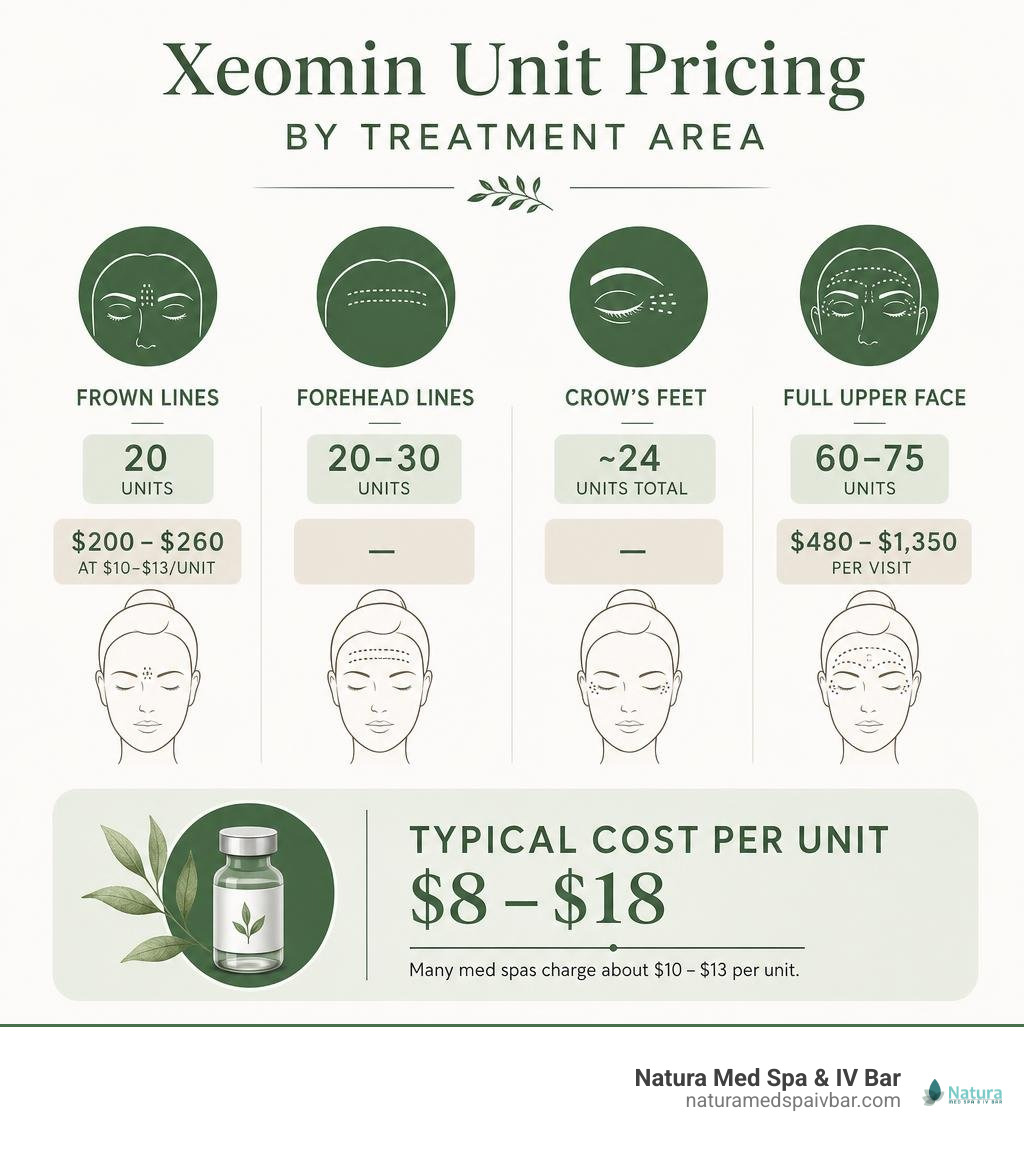
In the United States, Xeomin typically costs $8 to $18 per unit, with many med spas charging about $10 to $13 per unit. Your total depends on the number of units used, not just the advertised rate.
- Frown lines: Usually 20 units, or about $200 to $260 at $10-$13 per unit
- Forehead lines: Often 20-30 units
- Crow’s feet: Often about 24 units total
- Full upper face: Commonly 60-75 units, or roughly $480 to $1,350 per visit across the national price range
Xeomin can be 10% to 20% less expensive per unit than Botox. But do not compare it to Dysport by unit price alone: Dysport units are measured differently and more units are generally needed. Xeomin and Botox units are closer for common upper-face treatments, though your injector should determine the right dose for your anatomy and goals.
I am Abla Jad, a CFO, advisor, and founder with more than 10 years of experience turning service pricing and operational data into clear decisions. My experience building a multi-location business informs a practical view of Xeomin cost per unit: look at the full treatment plan, provider skill, and long-term maintenance cost, not a price tag alone.
Average Xeomin Cost Per Unit and Pricing Breakdown
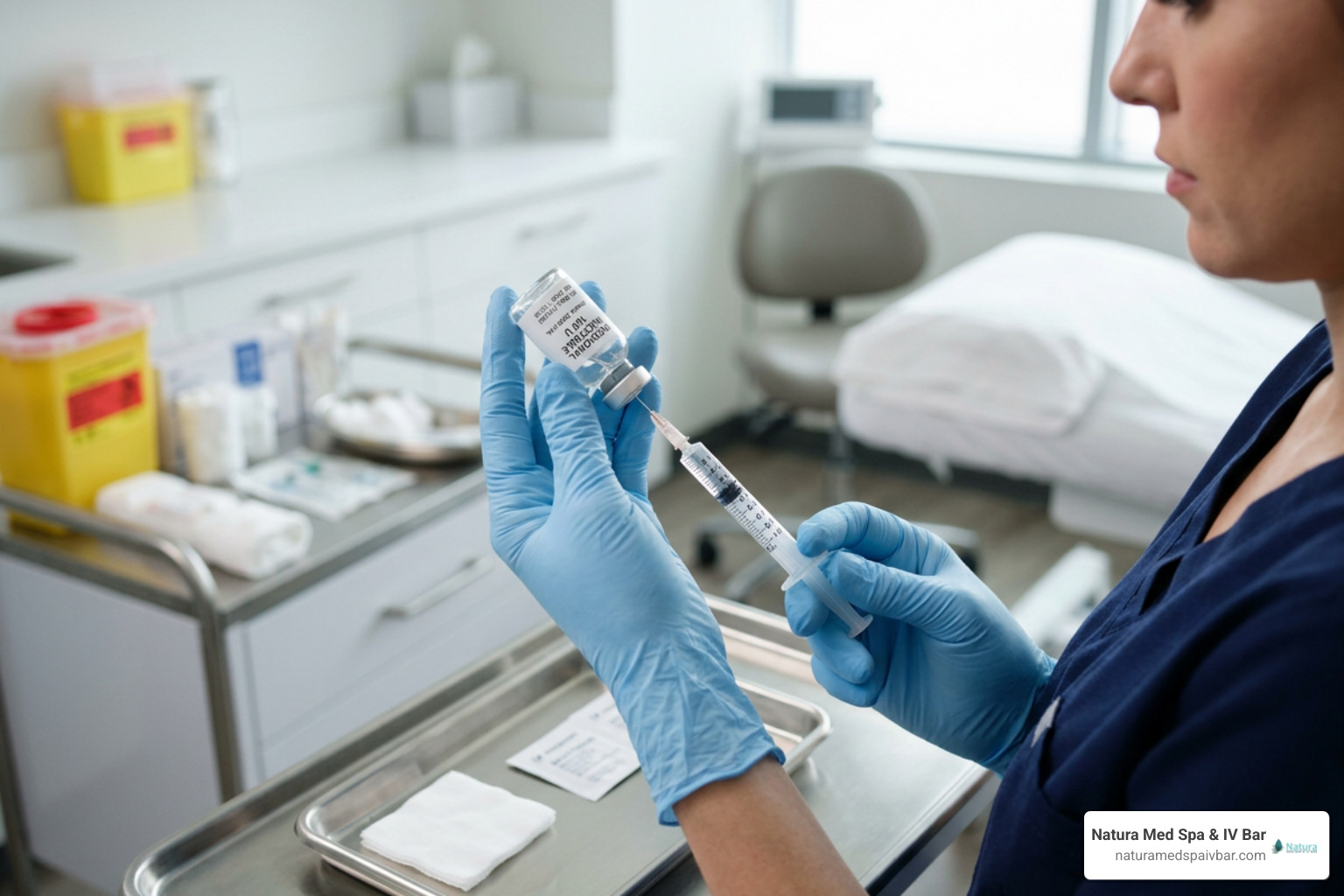
When exploring modern injectable wrinkle relaxers, understanding how clinics establish pricing is essential. Xeomin (incobotulinumtoxinA) has rapidly earned a reputation as the “naked injectable” because its proprietary manufacturing process removes unnecessary accessory proteins, leaving only the pure active neurotoxin molecule. While this scientific advantage helps minimize the risk of developing antibody resistance over time, the practical economic question remains: what does it actually cost per treatment?
According to a detailed Xeomin price breakdown, the national baseline ranges between $8 and $18 per unit. Where a provider falls within that spectrum depends on overhead expenses, injector credentials, market dynamics, and volume purchasing.
National Range for Xeomin Cost Per Unit in 2026
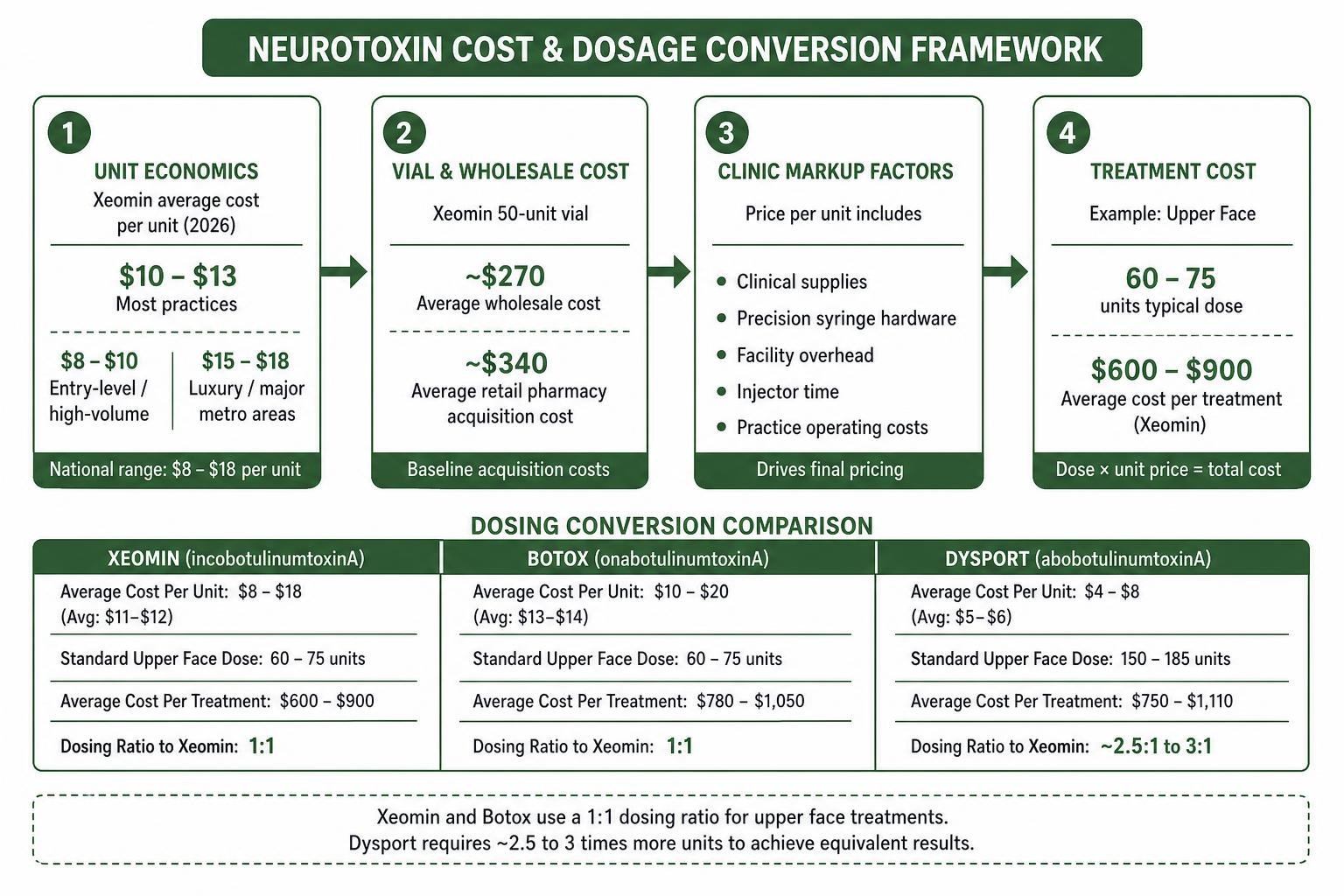
Across the United States in 2026, the average cost for Xeomin settles comfortably around $10 to $13 per unit in most aesthetic practices. Entry-level promotions or high-volume clinics may offer rates between $8 and $10 per unit, while luxury practices in major metropolitan areas may charge $15 to $18 per unit.
Because wholesale costs for a 50-unit vial average approximately $270 (with retail pharmacy acquisition costs around $340), clinics mark up the product to account for clinical supplies, precision syringe hardware, facility overhead, and injector time.
How Xeomin Compares to Other Neurotoxins
To understand how Xeomin fits into the broader landscape of wrinkle relaxers, comparing unit economics across leading brands is vital. A direct comparison requires examining both per-unit prices and standard conversion ratios.
| Neurotoxin Brand | Average Cost Per Unit | Standard Upper Face Dose | Average Cost Per Treatment | Dosing Ratio to Xeomin |
|---|---|---|---|---|
| Xeomin (incobotulinumtoxinA) | $8 – $18 (Avg: $11–$12) | 60 – 75 units | $600 – $900 | 1:1 |
| Botox (onabotulinumtoxinA) | $10 – $20 (Avg: $13–$14) | 60 – 75 units | $780 – $1,050 | 1:1 |
| Dysport (abobotulinumtoxinA) | $4 – $8 (Avg: $5–$6) | 150 – 185 units | $750 – $1,110 | ~2.5:1 to 3:1 |
As the table shows, comparing Xeomin to Botox injections is a true apples-to-apples evaluation. Both utilize a 1:1 dosing ratio for upper facial dynamic wrinkles. Because published rates for Xeomin typically run $11 to $12 per unit compared to $13 to $14 for Botox in the same practices, choosing Xeomin immediately yields an average savings of 10% to 20% without requiring dose adjustments.
Conversely, while Dysport may appear significantly cheaper at $4 to $8 per unit, the arithmetic changes once you consider formulation. Dysport utilizes smaller molecule complexes that spread more broadly and require roughly 2.5 to 3 times the number of units to achieve equivalent muscle relaxation. As detailed in our ultimate guide to Dysport, the total session cost for Dysport often ends up identical to or slightly higher than Xeomin. Understanding the science of botox and neurotoxin formulations confirms that accessory proteins do not increase potency, making Xeomin’s pure formulation an efficient, cost-effective alternative.
Units Needed and Cost by Treatment Area
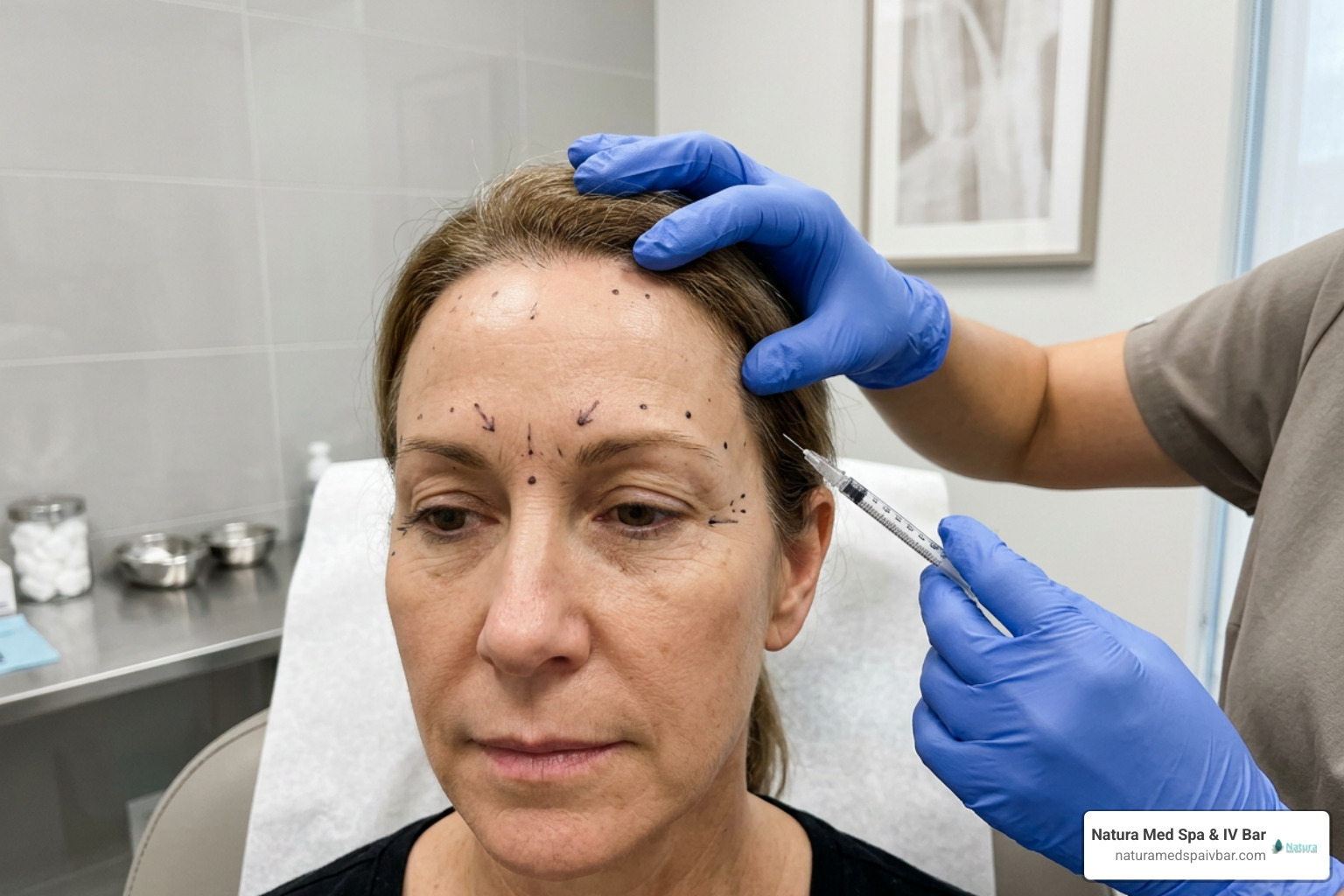
Every face possesses unique muscular dynamics, tissue density, and expression patterns. Consequently, neurotoxin dosing must be customized. From clinical data and verified Xeomin dosage comparisons, we can establish standard unit ranges and pricing estimates for the most common treatment areas.
Frown Lines, Forehead Lines, and Crow’s Feet Dosing
- Frown Lines (Glabellar Complex): The vertical “11” lines between your eyebrows are powered by the corrugator and procerus muscles. The standard FDA-approved dose is 20 units. At an average cost of $11 to $13 per unit, treating frown lines typically costs between $220 and $260.
- Horizontal Forehead Lines (Frontalis Muscle): Smoothing horizontal lines across the forehead typically requires 20 to 30 units, depending on muscle strength and forehead height. Total cost ranges between $200 and $390.
- Crow’s Feet (Lateral Canthal Lines): Softening the fine lines radiating from the outer corners of the eyes usually requires 12 units per side (24 units total), translating to a cost of $240 to $312.
Calculating Xeomin Cost Per Unit for Full Face Rejuvenation
Treating all three primary upper-face areas simultaneously (frown lines, forehead, and crow’s feet) requires approximately 64 to 75 units of Xeomin.
- At $10/unit: 64 units = $640
- At $12/unit: 64 units = $768
- At $15/unit: 64 units = $960
By comparison, an identical 64-unit treatment using Botox at $14 per unit costs $896. Choosing Xeomin delivers immediate savings of $128 to $256 per full-face session, allowing clients to maintain consistent aesthetic outcomes on a streamlined budget.
Vial Economics and Minimum Unit Requirements
Xeomin is commercially manufactured and shipped in 50-unit and 100-unit glass vials. Because neurotoxins are vacuum-dried and reconstituted with sterile saline prior to injection, a reconstituted vial has a limited shelf life.
For clients seeking micro-treatments—such as a 4-unit “lip flip,” a 6-unit bunny line correction, or a subtle brow lift—vial economics can come into play. If an injector opens a fresh 50-unit vial for a 10-unit procedure without other scheduled appointments to use the remaining volume, the med spa risks product waste. For this reason, some practices institute a minimum unit requirement (e.g., 20 units) or a flat minimum appointment fee. Combining multiple target zones into a single visit eliminates this concern and maximizes value.
Key Factors Influencing Xeomin Pricing and Insurance
When researching aesthetic pricing across different practices, you will notice variations in per-unit rates. These differences are driven by specific operational and clinical factors:
- Injector Expertise and Licensing: Board-certified medical professionals, experienced nurse injectors, and advanced aesthetic specialists command higher per-unit rates due to their mastery of facial anatomy, precision dosing, and safety protocols.
- Geographic Market Dynamics: Operating expenses, commercial real estate costs, and regional demand directly impact pricing. Practices located in thriving metropolitan hubs generally have higher per-unit rates than those in rural communities.
- Practice Positioning and Technology: State-of-the-art med spas invest heavily in modern clinical environments, advanced comfort measures, and continuous staff education, reflecting the overall client experience.
- Volume Purchasing Power: Large practices that order significant volumes of neurotoxins from manufacturers often secure tiered wholesale pricing, enabling them to pass savings on to their clients.
Geographic Location and Provider Expertise
In Colorado communities such as Denver, Cherry Creek, and Aurora, Xeomin pricing reflects both competitive market standards and high aesthetic expectations. Selecting an experienced injector ensures that your units are placed accurately within target muscle planes, minimizing diffusion into adjacent muscles and optimizing product longevity. While bargain hunting can be tempting, neurotoxins have no reversal agent; choosing an experienced team protects both your appearance and your health.
Cosmetic vs Medical Insurance Considerations
A frequent question regarding neurotoxins is whether health insurance covers the procedure.
- Cosmetic Applications: Treatments performed purely for aesthetic enhancement—such as smoothing frown lines, softening crow’s feet, or forehead rejuvenation—are considered elective procedures and are never covered by private health insurance.
- Medical Applications: Xeomin is FDA-approved for specific clinical conditions, including cervical dystonia (involuntary neck muscle contractions), blepharospasm (involuntary eyelid spasms), upper limb spasticity, and chronic sialorrhea (excessive drooling). When prescribed by a physician for an approved medical diagnosis, insurance plans may cover treatment following formal prior authorization.
How to Save on Xeomin and Annual Maintenance
Achieving smooth, youthful skin is not a one-time event; it is an ongoing maintenance journey. Fortunately, multiple practical strategies exist to reduce out-of-pocket costs while maintaining exceptional results.
One of the most effective approaches is exploring bundled aesthetic packages. Pairing your neurotoxin treatments with complementary skin therapies or combining dermal volume enhancements with neuromodulators through structured filler and Botox packages often unlocks substantial multi-service savings.
Additionally, keeping an eye out for curated seasonal opportunities and monthly med spa specials allows you to schedule maintenance sessions around promotional periods. Practices frequently offer first-time patient savings, referral incentives, and exclusive discounts for community groups, including military personnel.
Loyalty Programs, Package Deals, and Bundling
Manufacturers and modern med spas frequently offer loyalty reward programs that track your visits and award points toward future treatments. Merz Aesthetics (the manufacturer of Xeomin) periodically provides manufacturer rebate programs and promotional vouchers. Combining manufacturer rewards with internal med spa membership packages yields significant cumulative savings over multi-year treatment cycles.
Estimating Your Annual Xeomin Budget
Xeomin results typically last 3 to 4 months, with some clients enjoying visible smoothing for up to 5 or 6 months as muscle memory adapts. Planning for three maintenance sessions per year is the gold standard for maintaining uninterrupted aesthetic benefits.
- Single Area (Frown Lines – 20 units):
- Per visit ($11/unit): $220
- Annual Budget (3 sessions): $660
- Two Areas (Frown Lines + Forehead – 40 units):
- Per visit ($11/unit): $440
- Annual Budget (3 sessions): $1,320
- Full Upper Face (All 3 areas – 64 units):
- Per visit ($11/unit): $704
- Annual Budget (3 sessions): $2,112
Compared to receiving full-face Botox at $14 per unit ($2,688 annually for three visits), maintaining with Xeomin saves roughly $576 per year for the exact same clinical outcome.
Frequently Asked Questions About Xeomin Pricing
Are Xeomin and Botox units interchangeable for cost comparison?
Yes. For cosmetic upper-facial treatments (including the glabella, forehead, and crow’s feet), Xeomin and Botox share identical 1:1 dosing equivalence. If your aesthetic plan requires 20 units of Botox, you will need 20 units of Xeomin to achieve the same muscle relaxation and smoothing effect. This makes comparing their per-unit prices a true, direct financial comparison.
Why is Xeomin typically cheaper per unit than Botox?
Xeomin is generally priced 10% to 20% lower than Botox due to strategic brand positioning and manufacturing efficiencies. Merz Aesthetics strips away accessory proteins to produce a purified “naked” neurotoxin and passes operational savings along to providers, allowing med spas to offer lower per-unit prices to clients.
Is Xeomin covered by health insurance?
Cosmetic Xeomin treatments are strictly elective and not covered by health insurance. However, therapeutic treatments for documented medical conditions—such as cervical dystonia, blepharospasm, chronic sialorrhea, or limb spasticity—may qualify for insurance coverage with proper clinical documentation and prior authorization from your physician.
Conclusion
Understanding Xeomin cost per unit empowers you to make well-informed, cost-effective decisions for your aesthetic routine. By offering identical 1:1 dosing to Botox without unnecessary accessory proteins, Xeomin delivers smooth, natural-looking results while saving you 10% to 20% on every treatment session.
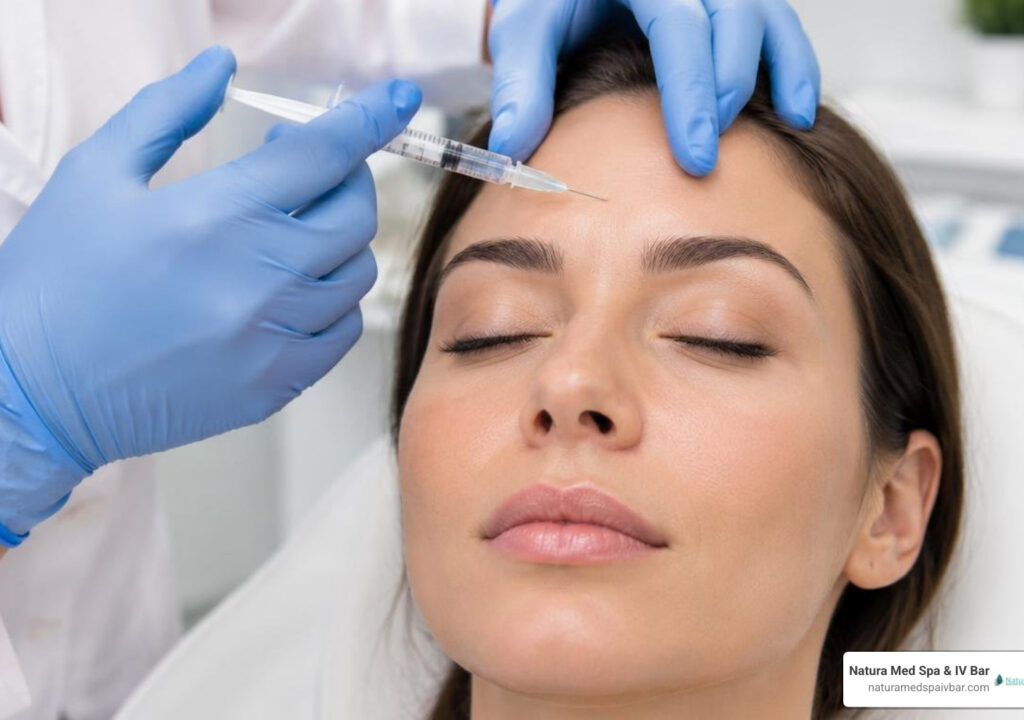
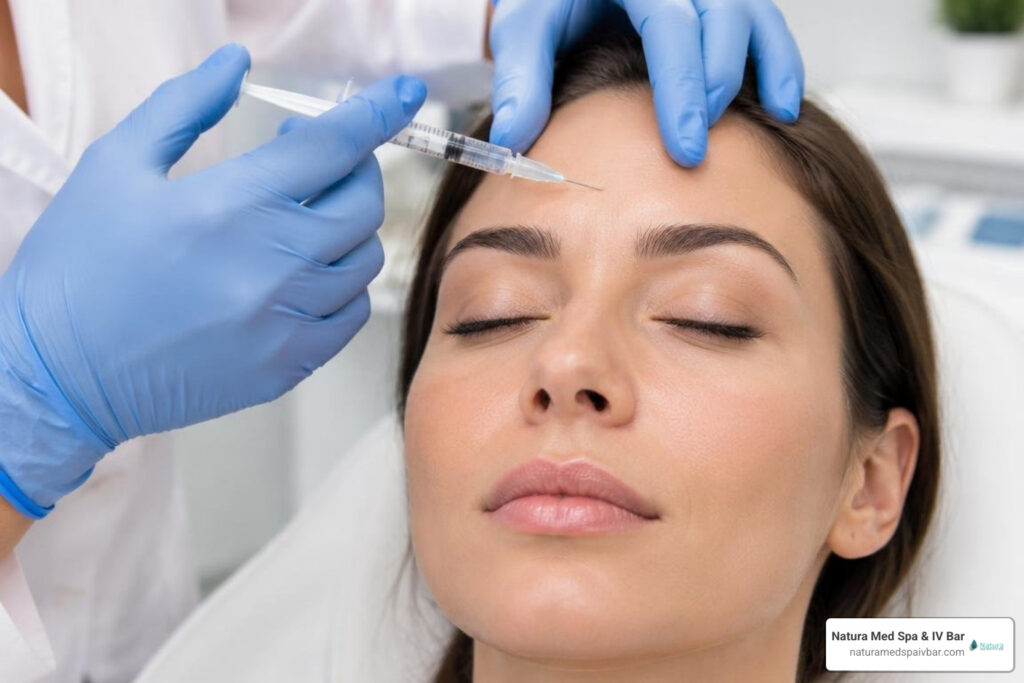
At Natura Med Spa & IV Bar, we believe in transparent pricing, personalized treatment mapping, and delivering results-driven beauty care tailored to your goals. Whether you are seeking a subtle touch-up or comprehensive upper-face rejuvenation, our expert injectors are here to design your custom aesthetic plan. Explore Xeomin treatments with our team in Denver, Cherry Creek, and Aurora, and schedule your personalized consultation today!