The Ultimate Guide to Dysport Injections
August 14, 2026
Everything You Need to Know About HIFU Skin Tightening
August 20, 2026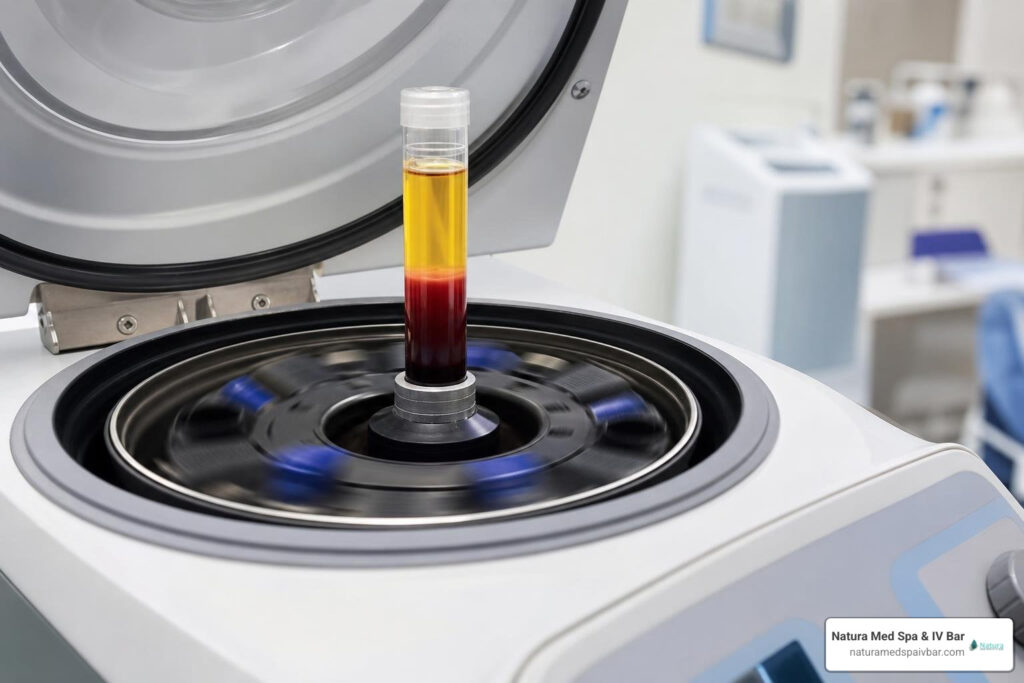
All About PRP Facial Benefits
How a PRP Facial Rejuvenates the Skin
The secret to a PRP facial lies in using your body’s own natural restorative abilities. Rather than introducing synthetic compounds or foreign ingredients, this process relies entirely on autologous blood—meaning blood drawn directly from you.
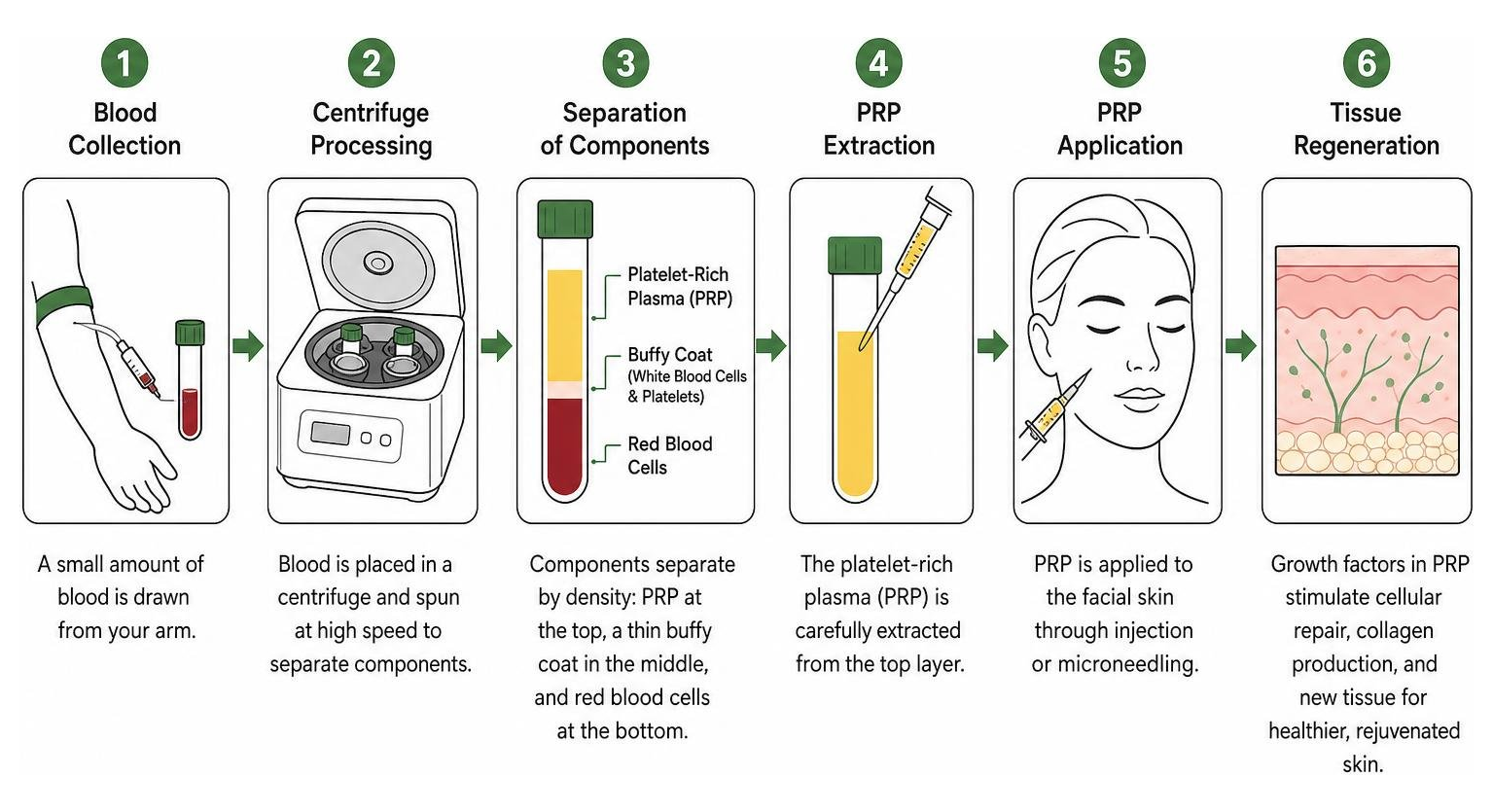
When you arrive for your appointment, a small sample of your blood (usually around 2 to 4 tablespoons) is collected from your arm, much like a standard blood test. That tube of blood is immediately placed into a specialized machine called a centrifuge. The centrifuge spins the blood at high speeds for several minutes, separating its components based on density: heavy red blood cells drop to the bottom, while lighter plasma rich in concentrated platelets settles at the top.
This concentrated plasma contains up to 3 to 8 times the baseline concentration of platelets found in normal circulating blood. Platelets are cell fragments that act as the emergency responders of your bloodstream. When localized tissue is injured, platelets rush to the site and release signaling proteins known as growth factors. In aesthetic applications, concentrating these growth factors and placing them into facial tissue triggers controlled cellular repair, stimulating tissue regeneration, improving local blood circulation, and building brand-new structural proteins like collagen and elastin.
Science Behind the PRP Facial
To understand why PRP works so well for skin renewal, it helps to look at the precise biological messengers involved. Platelet-rich plasma carries a rich mixture of essential signaling proteins, including:
- Platelet-Derived Growth Factor (PDGF): Drives cell growth, blood vessel formation, and skin repair.
- Transforming Growth Factor-Beta (TGF-β1): Regulates structural protein synthesis and stimulates collagen types I and III production. Crucially, TGF-β1 also inhibits melanin synthesis in melanocytes, providing a clear biological explanation for why PRP helps lighten stubborn pigmentation and dark under-eye circles.
- Vascular Endothelial Growth Factor (VEGF): Promotes angiogenesis (the growth of new micro-capillaries), bringing oxygen and nutrients to aging skin cells.
- Epidermal Growth Factor (EGF): Accelerates cell turnover and keratinocyte proliferation for a smoother skin surface.
Together, these growth factors jump-start cell proliferation, encouraging old skin cells to make way for fresh, healthy tissue. To read more about the medical foundations of this process, check out this Overview of platelet-rich plasma. If you want an in-depth look at how autologous plasma works across different aesthetic treatments, read our blood plasma injections guide.
Microneedling vs. Intradermal Injections
There are two main delivery methods when applying PRP to the face, and each serves distinct aesthetic goals:

- Microneedling with PRP (The “Vampire Facial”): During this procedure, a provider uses a microneedling pen equipped with tiny, sterile micro-needles to create thousands of controlled micro-channels in the outer layer of your skin. The plasma is then spread topically across the surface, allowing the growth factors to absorb deep into the dermis. This combined approach maximizes collagen stimulation, refines surface texture, reduces pore size, and smooths shallow acne scars. You can discover the full magic of micro-channels in our post on the secrets of microneedling.
- Direct Intradermal Injections: Instead of (or in addition to) microneedling, a provider can use fine micro-needles to inject liquid PRP directly into specific skin layers. This technique targets isolated areas needing concentrated restoration, such as deep under-eye hollows, crow’s feet, or smile lines around the mouth.
At Natura Med Spa & IV Bar, we often combine these techniques to help you achieve a radiant, refreshed glow. Learn more about our signature Vampire Facial service.
Clinical Evidence and Skin Benefits

While plasma therapy has gained massive popularity through social media, it is backed by solid clinical evidence. Researchers and dermatologists have extensively studied how concentrated autologous plasma improves aging or damaged skin tissue over time.
Clinical studies demonstrate several proven skin improvements:
- Wrinkle Depth Reduction: Statistically significant improvements in fine lines around the eyes (crow’s feet) and forehead.
- Under-Eye Lightening: Measurable reduction in periorbital dark circles due to melanin inhibition and thickened skin.
- Pore Refinement & Texture: Significant reduction in visible surface spots and enlarged pore counts at 3-month follow-ups.
- Scar Remodeling: Visible softening of atrophic rolling and boxcar acne scars when paired with microneedling.
- Improved Elasticity: Enhanced dermal firmness and improved skin snap-back quality.
PRP Facial Results for Wrinkles and Dark Circles
The delicate periorbital skin around the eyes is one of the first areas to show signs of stress and aging. Fortunately, clinical trials show that PRP delivers some of its highest success rates in this tricky zone.
In a clinical study evaluating pure PRP injections, 78.3% of patients reported moderate to excellent improvement in periorbital wrinkles 6 months after treatment. Objective skin scan measurements confirmed a statistically significant reduction in wrinkle depth (P = 0.007).
Additionally, 60.9% of trial participants reported moderate to excellent improvement in periorbital dark circles at the 6-month mark. The growth factor TGF-β1 plays a huge role here by actively slowing down excess melanin production while promoting thicker, healthier skin beneath the eyes so dark underlying blood vessels don’t show through as easily.
For those interested in advancing beyond standard plasma, newer formulations like liquid injectable platelet-rich fibrin (i-PRF) offer continuous growth factor release. A prospective clinical trial on i-PRF published in the Journal of Cosmetic Dermatology found significant reductions in skin surface spots (P = 0.01) and pore sizes (P = 0.03) after 3 monthly sessions, alongside substantial gains in overall face satisfaction scores. Read the full Study on injectable platelet-rich fibrin for a detailed look at the clinical data.
Procedure Steps, Recovery, and Expected Timeline

Wondering what actually happens during an appointment? The entire process is simple, straightforward, and typically takes about 45 to 60 minutes from start to finish.
- Cleansing & Topical Numbing: Your skin is thoroughly cleansed, and a medical-grade topical numbing cream is applied to ensure you remain relaxed and comfortable throughout the session.
- Blood Draw: While your face numbs, a medical professional draws a standard blood sample (roughly 10 to 30 mL) from your arm.
- Centrifugation: The blood sample is processed in a medical centrifuge for about 8 to 15 minutes to isolate the liquid golden plasma.
- Treatment Delivery: Your provider cleanses away the numbing cream, then uses microneedling or micro-injections (or a combination of both) to apply the PRP to your target areas.
- Calming Aftercare: A soothing serum or cooling mask is applied to calm the skin before you head home.
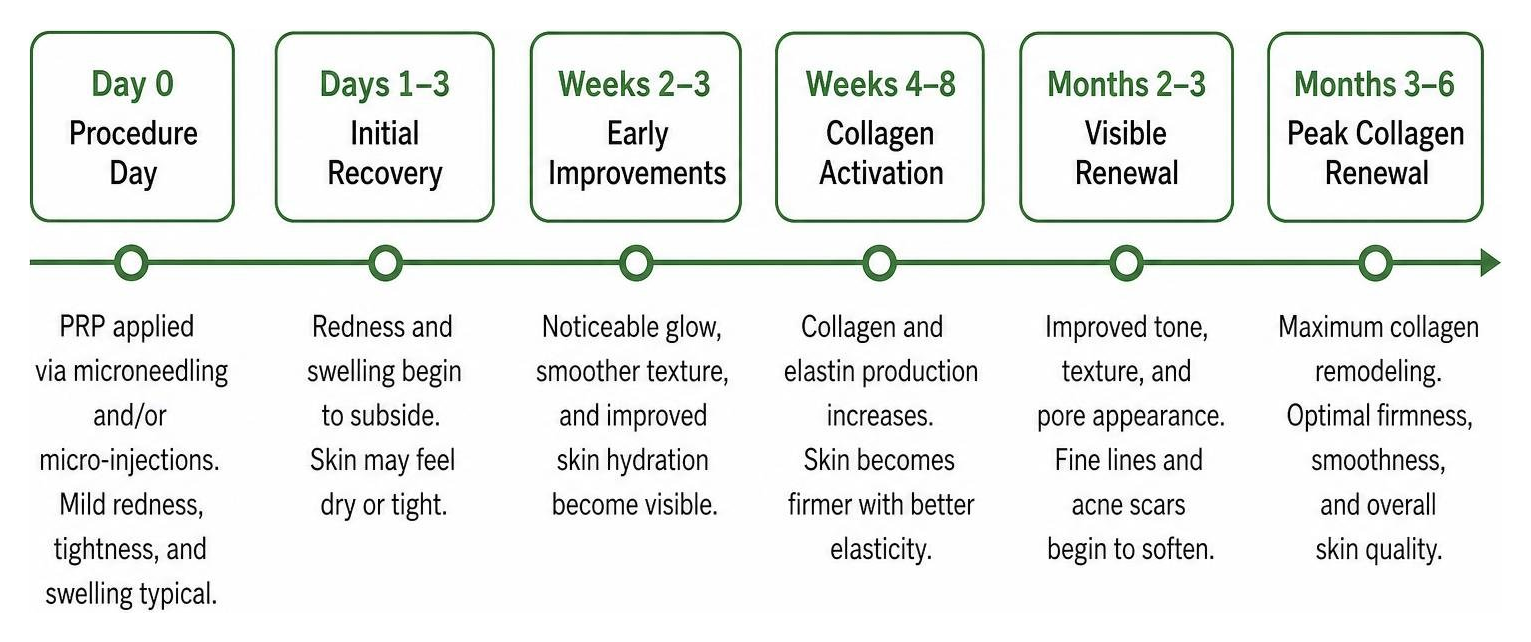
The recovery period following a PRP facial is relatively light. During the first 24 to 72 hours, expect your face to look and feel like you have a mild to moderate sunburn. You may experience slight redness, tightness, mild swelling (edema), and localized pinpoint bruising—clinical trials note that localized bruising occurs in roughly 69.6% of patients and resolves within 1 to 7 days.
Treatment Protocol and Longevity
Because PRP works by encouraging your cells to build real tissue, results do not appear overnight. Initial improvements in skin glow and smoothness appear within 2 to 3 weeks, but maximum collagen remodeling peaks around 3 to 6 months post-treatment.
- Initial Protocol: Most individuals need an initial series of 3 to 4 treatments spaced 4 to 6 weeks apart to achieve optimal skin structural renewal.
- Maintenance: To maintain your results, schedule 1 or 2 touch-up sessions per year.
- Longevity: Once your full collagen renewal cycle is complete, the rejuvenating effects of a treatment series can last up to 18 months.
Essential Post-Care Guidelines:
- Avoid touching your face or applying heavy makeup for at least 24 hours.
- Refrain from rigorous exercise, hot tubs, and saunas for 48 hours to minimize excess swelling.
- Stay clear of harsh exfoliants, retinoids, or AHAs/BHAs for 3 to 5 days.
- Apply a broad-spectrum SPF 30+ sunscreen daily and avoid direct sun exposure.
Explore our full range of treatments by visiting our complete menu of med spa services.
Comparing PRP to Fillers, Botox, and Lasers
With so many non-surgical options available today, choosing the right skin treatment can feel overwhelming. Here is how a PRP facial compares to other popular aesthetic procedures:
| Feature | PRP Facial / Vampire Facial | Dermal Fillers (e.g., Hyaluronic Acid) | Botox (Neuromodulators) | Laser Resurfacing |
|---|---|---|---|---|
| Primary Goal | Natural collagen renewal, texture repair, under-eye brightening | Instant volume restoration for deep hollows and structural lines | Relaxes dynamic muscle movement to smooth expression wrinkles | Resurfaces damaged skin layers using concentrated light energy |
| Active Ingredient | Autologous platelet-rich plasma from your own blood | Synthetic hyaluronic acid gel | Purified botulinum toxin type A | Focused light & thermal energy |
| Onset of Results | Gradual (2–4 weeks; peaks at 3–6 months) | Instant immediate physical volume | 3–14 days as muscle activity relaxes | 1–2 weeks following initial skin shedding |
| Duration | Up to 18 months following a full series | 6 to 18 months (varies by product) | 3 to 4 months | 1 to 3+ years depending on laser depth |
| Downtime | 1 to 3 days of mild sunburn-like redness | Minimal (0–2 days of localized swelling/bruising) | Zero downtime | 3 to 10+ days depending on intensity |
Unlike synthetic gels or neuromodulators, PRP does not paralyze facial muscles or physically pump up lost volume overnight. Instead, it improves overall skin quality, elasticity, and health from the inside out. In fact, many patients combine PRP with other aesthetic options during a single treatment plan—using Botox for active dynamic lines and hyaluronic acid fillers for deep tissue volume, while relying on PRP to brighten and refine surrounding skin texture.
If you are interested in exploring injectable treatments further, take a look at our specialized PRP Derma Filler options or browse our complete injectables overview.
Frequently Asked Questions
Who is an ideal candidate for PRP treatments?
An ideal candidate is anyone seeking a natural approach to improving fine lines, under-eye dark circles, uneven texture, dullness, or mild acne scarring without surgery or extended downtime. Most adults aged 25 to 65 can safely undergo PRP treatments.
However, certain medical contraindications mean some individuals should avoid PRP:
- Active Blood & Systemic Disorders: People with severe anemia, low platelet counts (thrombocytopenia), blood cancers, or active systemic infections.
- Medications: Individuals on heavy blood-thinning therapies or prescription anticoagulants.
- Skin Conditions: Active facial infections, cold sore outbreaks, or skin cancers in the treatment zone.
- Pregnancy & Nursing: Pregnant or lactating women should postpone treatments.
- Recent Retinoid Use: Those who have taken oral isotretinoin (Accutane) within the past 6 to 12 months.
How much does a treatment cost?
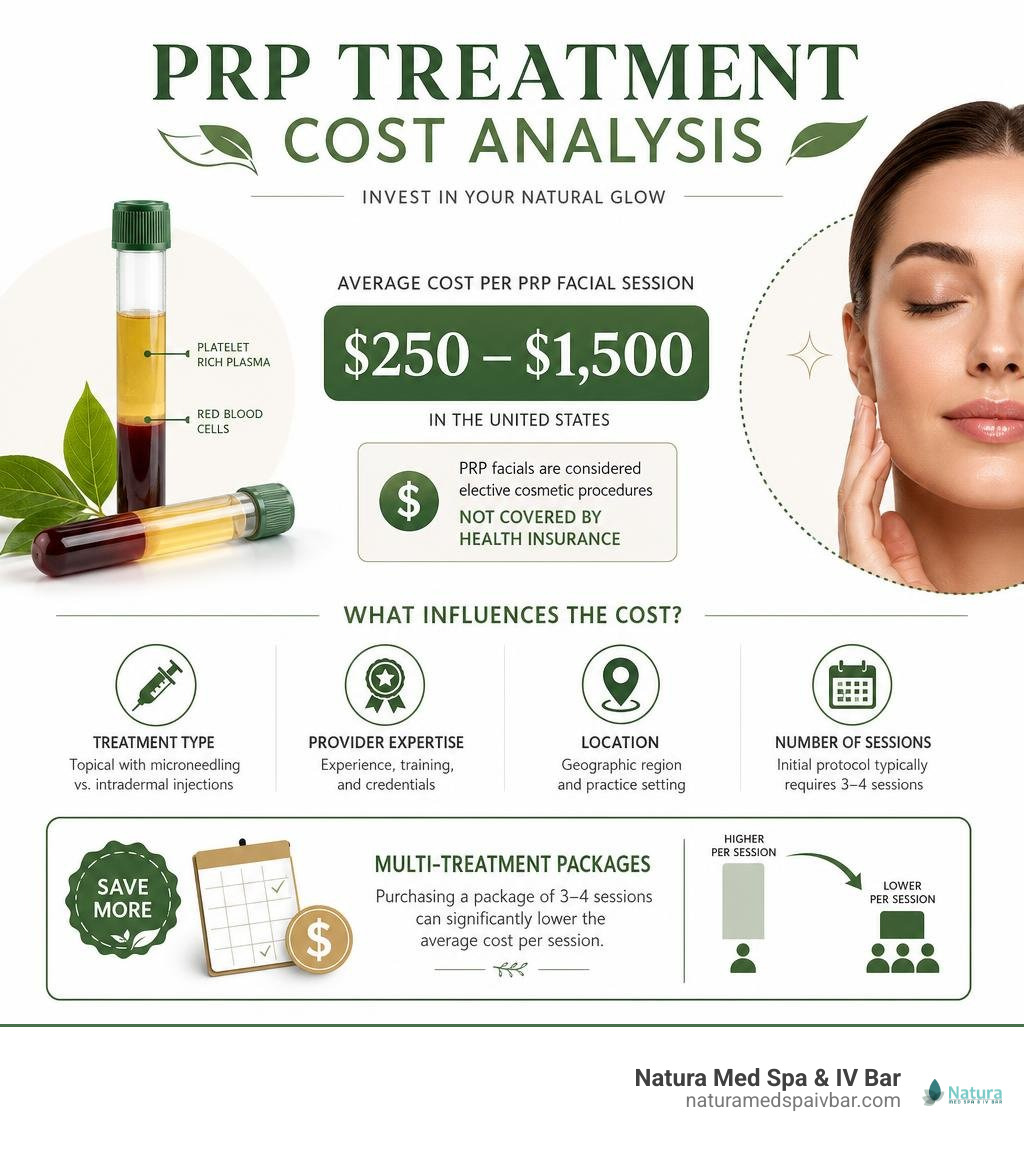
In the United States, a single PRP facial session generally ranges from $250 to $1,500. Exact pricing depends on whether the treatment involves topical application with microneedling or direct intradermal injections, as well as the provider’s credentials and geographical location.
Because an optimal initial protocol typically involves 3 to 4 sessions, purchasing a multi-treatment package often brings down the overall cost per session. Because PRP facials are considered elective cosmetic procedures, they are an out-of-pocket expense not covered by standard health insurance.
What are the main side effects and safety considerations?
Because PRP utilizes your own blood, the risk of allergic reaction, immune rejection, or foreign-body response is practically non-existent. Most side effects are minor, localized, and temporary:
- Temporary mild swelling and redness (edema).
- Localized pinpoint bruising around delicate skin zones.
- Mild tenderness or feeling of tightness for 24 to 48 hours.
The primary safety risk associated with PRP treatments stems from human handling rather than the plasma itself. It is critical that your treatment is performed in a clean, professional medical facility following strict sterile blood-handling protocols. Always choose licensed, experienced medical professionals who use closed, FDA-cleared centrifuge systems and sterile single-use disposable kits to guarantee safety and prevent contamination.
Conclusion
A PRP facial offers an effective, scientifically backed path to natural skin rejuvenation. By tapping into your body’s built-in repair tools, this treatment provides long-lasting improvements in fine wrinkles, dark under-eye circles, skin tone, and overall texture—all with minimal downtime.
At Natura Med Spa & IV Bar, serving clients across Aurora, Denver, and Cherry Creek, Colorado, we believe high-quality aesthetic care should always be personalized, safe, and convenient. Whether you want to smooth out early expression lines, brighten tired under-eyes, or refresh your natural complexion, our expert clinical team is here to design a personalized treatment plan for you. Plus, as part of our commitment to our community, we proudly offer military discounts for those who serve.
Ready to restore your glow with autologous plasma? Contact us today to arrange your personalized consultation and schedule your Vampire Facial with our trusted team!