Detailed Guide to Masseter Botox Safety and Results
August 31, 2026
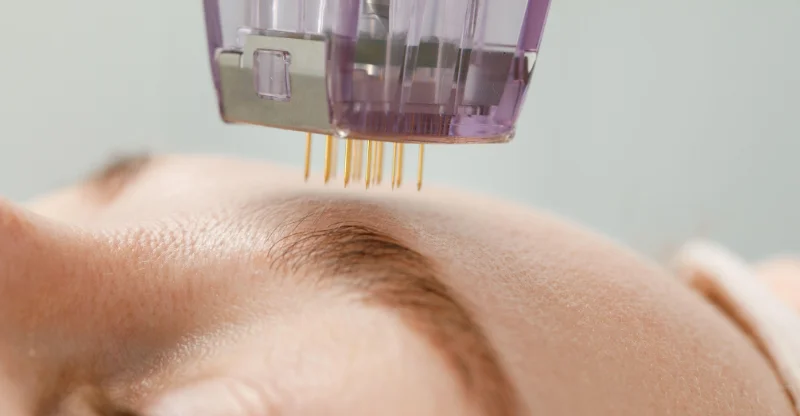
The Ultimate Guide to Microneedling in Denver
September 9, 2026
A Practical Guide to Lip Filler Basics for Beginners
What Is Lip Filler and How Does It Work?
Lip fillers belong to a broader category of medical cosmetic products known as dermal fillers. When injected beneath the surface of your lips, they work by physically occupying space in the submucosal tissue while simultaneously binding with water to create a soft, plump, and defined appearance. Whether you want to sharpen your vermilion border (the distinct edge where your lips meet facial skin) or restore lost hydration, modern Injectables offer a versatile approach to lip shaping.
According to the Cleveland Clinic overview of dermal fillers, lip procedures are among the most popular non-surgical cosmetic enhancements performed worldwide. Back in 2018 alone, healthcare providers performed over 2.1 million lip filler procedures across the United States, and the treatment’s popularity has continued to climb thanks to refined products and advanced injection artistry.
Hyaluronic Acid and Dermal Anatomy
The gold standard in lip augmentation today is hyaluronic acid (HA). Hyaluronic acid is a naturally occurring complex sugar found in your body’s skin, connective tissues, and joints. Its superpower is moisture retention: a single gram of hyaluronic acid can hold up to six liters of water.
When formulated into an injectable cosmetic gel, HA is cross-linked to slow down how quickly your body breaks it down. When placed precisely into the dynamic tissue of your lips, HA integrates smoothly with your natural collagen matrix without disrupting the underlying vascular structure. Because HA is biocompatible, your body recognizes it effortlessly, minimizing the risk of allergic reactions and creating a plush, natural bounce that moves seamlessly when you speak, eat, or smile. Recent clinical literature highlights how modern vector-based injection methods respect these delicate anatomical boundaries to maximize both aesthetic balance and safety (Menezes et al., 2025).

Popular Brands: Comparing Formulations
Not all HA gels are identical. Different manufacturers use distinct cross-linking technologies—most commonly 1,4-butanediol diglycidyl ether (BDDE)—to modify the gel’s firmness, elasticity, and flow.
When choosing the right product for your lips, our injectors look at your anatomical starting point, tissue flexibility, and goals. You can explore The Ultimate Guide to Juvederm Lip Results to see how specific formulations create different aesthetic outcomes.
| Product Line | Primary Technology | HA Concentration | Best For | Typical Longevity |
|---|---|---|---|---|
| Juvederm® Ultra XC | Hylacross™ | 24 mg/mL | Plush volume, dramatic fullness | 9–12 months |
| Juvederm® Volbella™ XC | Vycross® | 15 mg/mL | Subtle definition, vertical lip lines | Up to 12 months |
| Restylane® Kysse | XpresHAn Technology™ | 20 mg/mL | Natural movement, flexible softness | Up to 12 months |
| Revanesse® Lips™+ | Wet Milling Spherical HA | 25 mg/mL | Balanced volume with minimal post-treatment swelling | 10–12 months |
In clinical evaluations outlined in the Revanesse Lips+ clinical instructions, 90.7% of subjects achieved at least a 1-grade increase from baseline on the Lip Fullness Grading Scale (LFGS) at Month 2. Furthermore, in retreatment studies, 85.4% of patients rated their lips as “much improved” or “very much improved” one month after a touch-up session.
Ideal Candidates, Goals, and Treatment Planning
A successful lip treatment starts with a personalized assessment rather than simply copying a trend from social media. Our goal at our med spa locations in Denver, Cherry Creek, and Aurora is to respect your unique facial anatomy and natural symmetry.
Aesthetic Reasons to Get Lip Filler
People choose lip enhancement for a wide variety of personal and aesthetic reasons:
- Restoring Age-Related Volume Loss: As we age, our bodies produce less collagen and hyaluronic acid. Lips naturally thin, the philtrum (the vertical groove between the nose and upper lip) lengthens, and the corners of the mouth can begin to turn downward.
- Smoothing Perioral Lines: Repeated muscle movement and structural changes cause lipstick to bleed into fine wrinkles around the mouth. Precise micro-injections can smooth these crevices, as detailed in our guide on No More Lipstick Bleeding: Juvederm for Vertical Lip Lines.
- Correcting Asymmetry: Many individuals have naturally uneven upper and lower lips or a noticeable tilt when smiling. Targeted filler placement can balance these proportions.
- Defining the Cupid’s Bow: Strategic micro-droplets along the vermilion border can accentuate the double curve of your upper lip without making the lips look excessively projecting.
- Subtle Shape Enhancements: In some cases, patients may pair filler with neurotoxins or alternative techniques. To understand how these approaches compare, explore Why the Natural Lip Flip Is Quietly Replacing Heavy Fillers.
Candidacy, Contraindications, and Safety Age Limits
While lip fillers are non-invasive and temporary, they are still medical procedures requiring careful screening.
Ideal Candidates:
- Are at least 21 to 22 years old (FDA approval for most lip fillers, including Revanesse® Lips™+, is indicated for adults aged 22 or older; other products are cleared for adults 21+).
- Have realistic expectations regarding subtle, progressive enhancement.
- Are in overall good health without active oral or facial infections.
Contraindications (When to Avoid or Postpone Treatment):
- Active Infections: Cold sores (herpes simplex), canker sores, active acne breakouts near the mouth, or systemic bacterial/viral infections.
- Pregnancy and Breastfeeding: Dermal fillers have not been clinically tested on pregnant or nursing mothers, and treatment should be postponed.
- Bleeding Disorders or Anticoagulant Therapy: Conditions or medications that impair blood clotting elevate the risk of significant hematoma.
- Severe Allergies: Known hypersensitivity to hyaluronic acid, Gram-positive bacterial proteins, or local anesthetics like lidocaine.
- Recent Dental Work or Facial Procedures: Dental cleanings, invasive dental procedures, chemical peels, and laser resurfacing should be separated from filler appointments by at least 2 to 4 weeks to prevent infection and inflammation.
Before receiving any injectable treatment, patients complete an Injection Therapy Consent to review their health history and understand all procedural considerations.
The Step-by-Step Treatment Procedure
Knowing what to expect during your appointment removes the mystery and lets you relax throughout the experience.

Preparation and What to Expect Before Injections
Preparation begins roughly one week prior to your injection appointment:
- Medication Adjustments: To minimize bruising and bleeding, avoid NSAIDs (such as ibuprofen, naproxen, and aspirin), vitamin E supplements, fish oil, ginkgo biloba, and St. John’s Wort for 7 to 10 days before treatment (always consult your physician before stopping prescription medications).
- Alcohol and Salt: Avoid alcohol consumption and high-sodium foods for 24 to 48 hours before treatment to limit baseline fluid retention.
- Cold Sore Prophylaxis: If you have a history of oral herpes, let our med spa team know. We can recommend a preventive antiviral regimen (like valacyclovir) starting a few days prior to prevent flare-ups triggered by needle pricks.
Injection Techniques and Pain Management
On treatment day, the procedure typically takes 30 to 45 minutes from start to finish:
- Facial Cleansing and Mapping: Your lips and perioral skin are thoroughly sanitized with an antiseptic solution like chlorhexidine or alcohol. Your injector carefully marks anatomical landmarks.
- Numbing: A strong topical compound anesthetic (typically a blend of benzocaine, lidocaine, and tetracaine—BLT) is applied to the lips for 15 to 20 minutes. Most modern filler gels also contain 0.3% lidocaine, meaning your lips become increasingly numb with every micro-droplet placed.
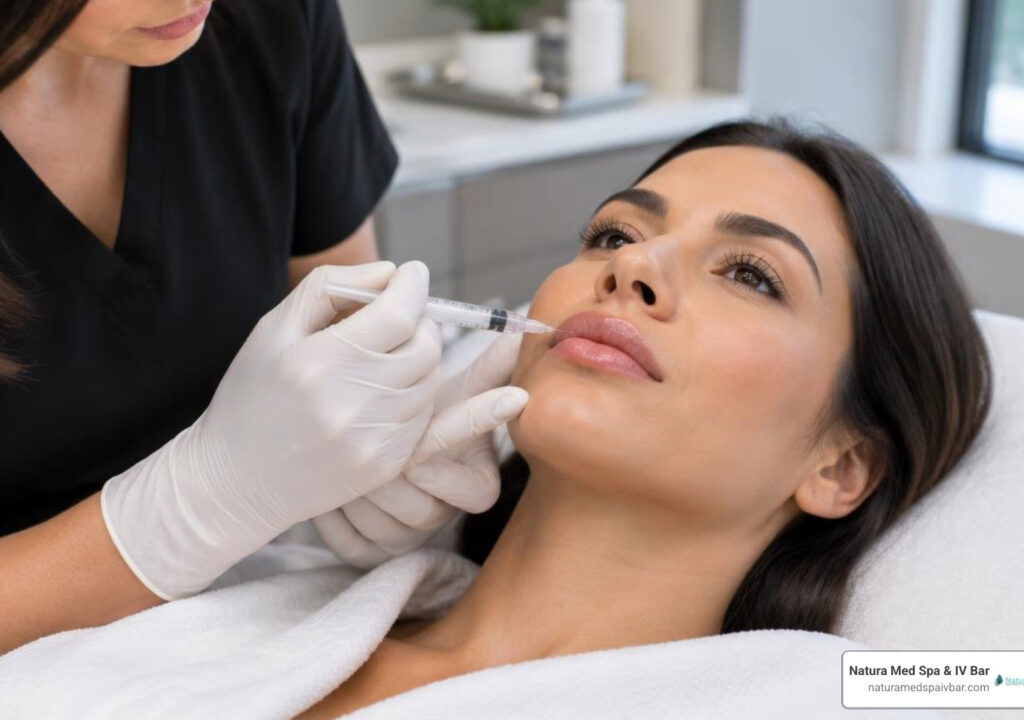
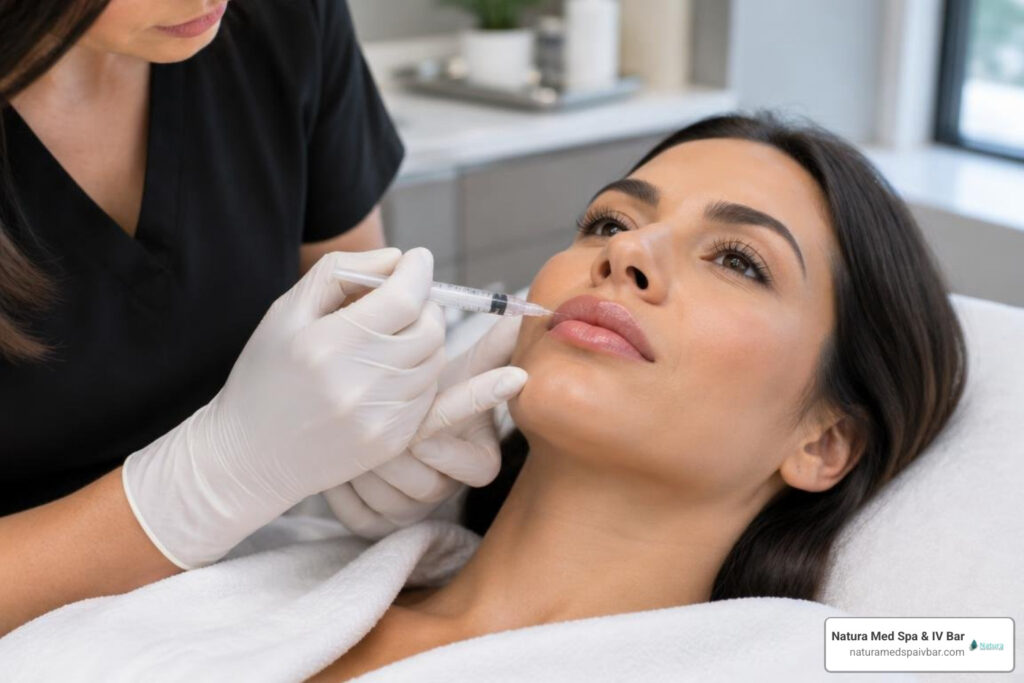
- The Injections: Depending on your unique anatomy, your injector will use an ultra-fine needle or a blunt-tip micro-cannula. Fillers are precisely placed into the submucosal tissue layer (no deeper than 2.5 mm). If you’re interested in soft, smooth formulations designed specifically to avoid an overdone appearance, review Juvederm Volbella Lips: Everything You Need to Know Before You Inject.
- Gentle Molding: The injector lightly massages the tissue to ensure even distribution and eliminate palpable lumps.
Recovery, Aftercare, and Longevity
The way you treat your lips in the first 48 hours directly influences your final results.
Healing Timeline and Swelling Management
Your lips will look fullest immediately after your appointment, but remember: initial fullness is largely swelling, not your final result.

- Days 1–2 (Peak Swelling): Minor tenderness, swelling, and localized bruising are completely normal. In clinical studies for products like Revanesse® Lips™+, injection site swelling occurred in 87.5% of patients, bruising in 71.3%, and mild pain in 21.3%. Apply a cold compress wrapped in a clean cloth for 10 minutes at a time.
- Days 3–5 (Settling Period): Swelling diminishes noticeably. Any firmness or minor unevenness starts to soften.
- Days 7–14 (Final Integration): The hyaluronic acid gel fully integrates with your natural lip tissue. By day 14, residual swelling has fully cleared, revealing your true result.
Crucial Aftercare Guidelines:
- Ice Gently: Use ice packs intermittently for the first 24 hours (never place bare ice directly onto the skin).
- Avoid Strenuous Exercise: Skip heavy cardio, hot yoga, and saunas for 24 to 48 hours to prevent elevated blood pressure from worsening swelling or bruising.
- Skip Straws and Firm Pouting: Do not drink through straws or engage in aggressive kissing for 48 hours, as repetitive muscular pressure can displace fresh filler.
- Keep Lips Clean and Bare: Avoid lipstick, gloss, or lip balm for at least 24 hours to keep the micro-injection puncture points free from bacteria.
- Sleep Elevated: Sleep with your head slightly propped up on an extra pillow during the first two nights to assist lymphatic drainage.
Can Lip Filler Be Reversed or Ruined?
One of the greatest benefits of hyaluronic acid fillers is their complete reversibility. If you are ever unhappy with your results, experience unexpected migration outside the lip border, or develop uneven lumps, an enzyme called hyaluronidase can be injected directly into the area. Hyaluronidase rapidly breaks down the synthetic HA gel within 24 to 48 hours, returning your lips to baseline.
Will lip fillers ruin your lips long-term? When administered properly by trained injectors who respect tissue limits, fillers will not stretch or ruin your lip tissue. In clinical trials, maximum filler doses are carefully capped—for instance, no more than 1.5 mL per individual lip and 4.0 mL total per session is ever administered. Because HA naturally degrades over time, your lips will simply return to their original pre-treatment state if you choose not to maintain them.
Frequently Asked Questions About Lip Enhancements
How long do lip injections typically last?
Hyaluronic acid lip enhancements generally last 12 to 18 months, though individual longevity varies. Because the lips are in constant motion from talking, eating, and smiling, filler tends to break down slightly faster here than in static facial zones like the cheeks or chin.
Your individual metabolic rate also plays a major role; active individuals and younger patients with faster metabolisms may notice their filler breaking down closer to the 9- to 12-month mark. Routine maintenance sessions with smaller touch-up volumes can keep your lips looking consistently full.
How much volume is in a standard syringe?
A standard syringe of dermal filler contains 1.0 mL (milliliter) of product. To put that into everyday perspective, 1.0 mL is equal to one-fifth of a metric teaspoon.
For first-time patients, 0.5 mL to 1.0 mL is usually the sweet spot. A single milliliter is plenty of volume to establish clear border definition, rehydrate dry lip tissue, and add a noticeable yet subtle boost in fullness without looking artificial or overfilled.
What are the most common side effects and risks?
Like any injectable procedure, lip enhancement carries both common, self-limiting side effects and rare medical risks:
Common Side Effects:
- Mild localized bruising and redness around injection points
- Swelling and temporary tenderness
- Minor asymmetry while one side heals faster than the other
- Small, temporary palpable bumps that soften within 1 to 2 weeks
Rare Complications:
- Vascular Occlusion: Occurs if filler is accidentally injected directly into an artery (such as the superior or inferior labial artery) or compresses a vessel, compromising blood flow. Symptoms include sudden blanching (skin turning white), severe unusual pain, and mottled discoloration. This is a medical emergency that qualified med spa injectors manage immediately using hyaluronidase to dissolve the blockage.
- Delayed Inflammatory Nodules: Lumps that emerge weeks or months later, often triggered by systemic illness, vaccinations, or dental infections.
- Infection: Prevented through sterile injection technique and proper post-care hygiene.
Conclusion
Getting lip enhancement should be an empowering, personalized experience that leaves you feeling refreshed and confident. By choosing an experienced injector at our med spa, you ensure your treatment honors your natural facial symmetry while maintaining the highest safety standards. Whether your goal is a subtle boost of hydration or balanced, plush fullness, understanding your options is the first step. To dive deeper into finding the right balance for your aesthetic goals, explore our comparison on Juvederm for Lips: Natural Volume vs Dramatic Results.
References
Menezes MVA, Dezanetti CBG, Penna FWP, Cury RSL, de Aquino SBG. “Aesthetic Treatment of the Lips With Hyaluronic Acid Filler: The Multi Vector Lip Technique..” Journal of cosmetic dermatology, 2025. PMCID PMC12424118.